
Does a Car Warranty Cover Ignition Problems? What Drivers Should Know
Does a Car Warranty Cover Ignition Problems?
A car warranty may cover an ignition problem when the failed component is included, coverage is active, and the cause of failure meets the agreement’s terms. An ignition switch, coil, or electronic module may qualify, while scheduled spark-plug replacement or damage from an excluded cause may not. The diagnosis, maintenance history, and exclusions matter as much as the name of the part.
Drivers often use “ignition problem” to describe anything that prevents a car from starting, but the cause may involve the starter, battery, fuel system, or anti-theft system. Spark ignition is the system that ignites the air-fuel mixture in a gasoline engine; the starter turns the engine so it can begin running. Identifying which system actually failed is the first step toward a useful coverage answer.
What determines whether a repair qualifies?
Treat coverage as a component-specific question rather than assuming every no-start condition is included. Before discussing payment, the repair facility and coverage provider need to establish the following:
- Which component failed and what caused the failure.
- Whether the applicable warranty or contract is active at the vehicle’s current mileage.
- Whether the component and failure meet the coverage terms and maintenance requirements.
- Whether required claim authorization has been obtained.
Two cars with the same starting symptom can therefore receive different coverage decisions. Knowing which components are involved helps narrow the next questions.
Which Ignition Components May Be Covered?
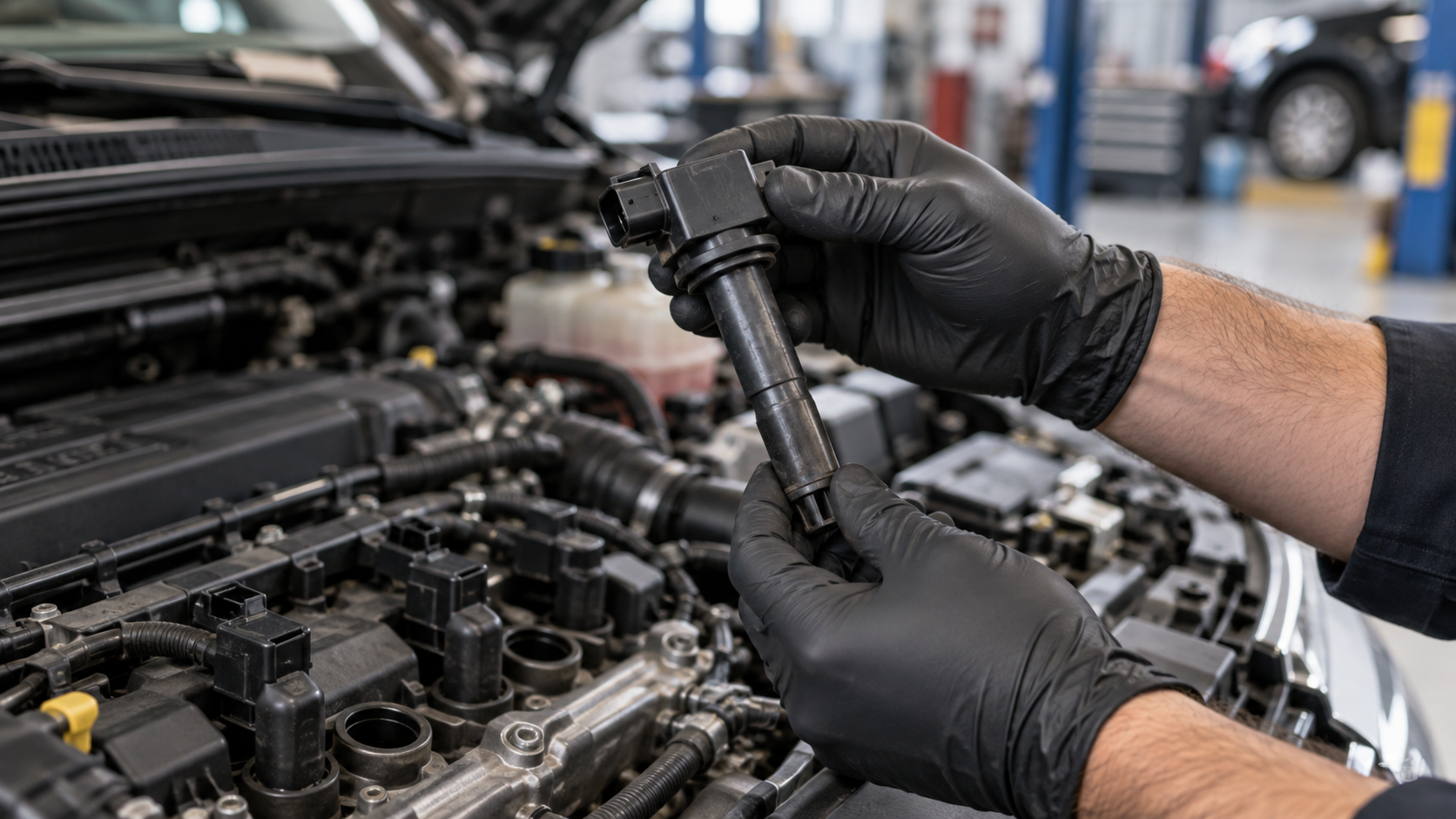
Ignition-related coverage may include switches, coils, electronic ignition modules, and selected sensors or control modules, depending on the plan. Starting-system components such as a starter motor or solenoid may also qualify under applicable electrical coverage. These are examples to check in the agreement, not a list of components Pneumas guarantees under every available plan.
A key-operated ignition switch, mechanical lock cylinder, push-button start switch, and key-recognition module are separate parts. Coverage for one does not establish coverage for all of them. For broader context on connected electrical systems, read Does a Car Warranty Cover Electrical Problems?
Which parts should you look for in the agreement?
Ask the provider to match the technician’s diagnosis to the exact component language. Relevant entries may appear in electrical, engine-management, or other coverage categories:
- Ignition switch or start button: the control that initiates the starting sequence.
- Ignition coils and electronic ignition modules: components involved in producing or controlling spark in gasoline engines.
- Crankshaft or camshaft position sensors and engine control modules: electronics that help manage engine timing and operation.
- Starter motor, starter solenoid, and applicable relays: starting-system parts that may be covered separately from spark ignition.
- Wiring harnesses and connectors: coverage may be limited, and spark-plug wires may be excluded even when other wiring is included.
Spark plugs are commonly addressed as maintenance items, while batteries can have separate terms. The component list is only one part of the decision; the cause of failure can still exclude a repair.
When Would an Ignition Problem Not Be Covered?
An ignition repair may be excluded when it involves scheduled maintenance, an existing problem, external damage, misuse, or another condition the agreement does not cover. Spark plugs due for replacement are different from an ignition coil that experiences a qualifying breakdown. Some service contracts include certain wear-related failures, so normal wear should not be described as universally excluded.
Maintenance and modifications also require careful distinctions. Under manufacturer warranty protections, using an independent shop or aftermarket part does not automatically void coverage; damage caused by an improperly installed or defective part can affect the related claim. A separately purchased service contract may impose its own maintenance, modification, and repair-facility conditions.
What exclusions deserve a closer look?
Review both the exclusions and the definition of a covered failure. These situations can change whether an ignition-related repair qualifies:
Routine maintenance: scheduled spark-plug replacement, tune-ups, or other listed maintenance services.
- Maintenance-related damage: a failure attributed to neglected required service.
- Pre-existing conditions: symptoms or failures present before the contract’s effective coverage, as defined by its terms.
- External damage: collision, flooding, water intrusion, or other excluded outside causes.
- Modifications or misuse: failures linked to altered wiring, performance changes, racing, or excluded vehicle use.
- Claim conditions: work performed without required approval or outside permitted repair arrangements.
A denial should identify the relevant contract provision and the diagnostic findings supporting it. That makes a documented diagnosis especially valuable before parts are replaced.
How Is an Ignition Problem Diagnosed for Warranty Coverage?
Ignition diagnosis identifies the failed component and investigates why it failed. A misfire code or a car that will not start is evidence of a symptom, not automatic proof that an ignition coil or switch needs replacement. The shop’s findings help the coverage provider assess whether the actual repair fits the agreement.
The technician may need to distinguish a no-crank condition from an engine that cranks but will not start, or a running engine that misfires. Testing depends on the vehicle and the symptoms, so replacing parts based only on a code can leave the cause unresolved. Ask who pays for diagnosis if the final repair is excluded.
What information helps support a claim?
A clear repair report connects the symptom, test results, and proposed repair. Depending on the issue, the repair facility may document:
- Diagnostic trouble codes and the conditions under which the problem occurs.
- Battery condition, power supply, grounds, and starting-circuit tests.
- Ignition-coil, spark, wiring, sensor, or module testing appropriate to the vehicle.
- Evidence of contamination, physical damage, altered wiring, or another contributing cause.
- The failed part, recommended repair, labor estimate, and any requested inspection.
For example, a coil that fails internally may be evaluated differently from one damaged by another leaking component. Once the cause is established, the next step is determining which coverage remains active.
Does a Factory Warranty Cover Ignition Problems?
A manufacturer’s warranty may cover a qualifying ignition defect while the applicable time and mileage limits remain active. Broad new-vehicle limited coverage and powertrain coverage have different scopes, so an engine-related symptom does not automatically make every ignition component a powertrain item. The warranty booklet for the specific vehicle is the best starting point.
Manufacturer warranties generally address qualifying defects under their written terms, rather than every repair that becomes necessary. A worn maintenance item, excluded damage, or a component outside the applicable coverage may leave the owner responsible. Our guide to What Does a Car Warranty Cover? explains the broader coverage categories.
Which factory coverage details should you verify?
Give the dealer the VIN, current mileage, and symptoms so it can identify the relevant coverage. Ask for confirmation of:
- The vehicle’s original in-service date and the applicable time and mileage limits.
- Whether the failed component falls under basic, powertrain, or another specific warranty.
- Whether the diagnosis supports a qualifying defect or an excluded cause.
- Which repair process applies and whether diagnostic charges are covered.
Do not rely on a general statement that the car is “still under warranty.” If the relevant manufacturer coverage has ended, a separate service contract may provide a different route.
Can a Vehicle Service Contract Cover Ignition Repairs?
A vehicle service contract can cover an eligible ignition repair if the selected agreement includes the component and the failure satisfies its conditions. Often marketed as an extended warranty, it is a separately purchased contract for specified repairs or services, rather than the manufacturer warranty included with a new vehicle. Its definitions, limits, and exclusions control the claim.
Pneumas offers Vehicle Service Contracts for eligible vehicles, with protection that varies by provider and plan. A broad electrical-coverage description is not enough to confirm protection for every coil, sensor, switch, or wiring repair. Request the actual agreement and identify who administers claims before purchasing.
How do different coverage structures affect ignition repairs?
Compare the coverage wording against the parts most relevant to your vehicle. Two common structures require different ways of checking the agreement:
- Named-component coverage: verify that the failed component is expressly included and that the failure meets the terms.
- Exclusionary coverage: review the exclusions and covered-failure definition; a part’s absence from the exclusions is not the only condition for payment.
- Claim costs and limits: compare deductibles, diagnostic charges, labor allowances, and repair-payment limits.
- Coverage conditions: check effective dates, any waiting period or inspection requirement, maintenance duties, and authorization procedures.
The plan name alone cannot answer whether an ignition repair is covered. Timing also matters, especially when additional protection is being considered after factory coverage expires.
What Happens if the Factory Warranty Has Expired?
After the applicable factory warranty expires, an ignition repair may become an out-of-pocket expense unless another active protection agreement covers it. Eligible vehicles may still qualify for a vehicle service contract, depending on age, mileage, condition, and provider requirements. New protection should be evaluated for eligible future failures, not assumed to pay for an issue that already exists.
An intermittent starting problem can matter even if the car still runs or no repair has been completed. Disclose known symptoms and previous diagnostic findings when discussing eligibility. Buying a contract before a problem receives a formal diagnosis does not necessarily prevent it from being treated as pre-existing.
What should you compare before choosing additional protection?
Use the vehicle’s condition and your ownership plans to guide the comparison. Useful questions include:
- Is the vehicle eligible at its current age and mileage?
- When does coverage become effective, and are there waiting periods or inspections?
- Which ignition, electrical, and starting-system components are included?
- What are the exclusions, deductible, coverage duration, and payment limits?
If a problem has already started, first check any existing coverage and arrange a diagnosis. Whether using an existing plan or considering a future one, understanding the repair-approval process helps avoid unexpected bills.
What Should Drivers Check Before Authorizing an Ignition Repair?
Before approving an ignition repair, confirm the failed component, the applicable coverage, and any required preauthorization. Authorizing diagnosis is not always the same as obtaining approval for the covered repair. Ask the shop and administrator to explain what you may owe before work proceeds.
A useful estimate separates the proposed parts and labor from diagnosis, programming, taxes, and other charges. If the repair is partly covered, confirm which amounts are approved and which remain your responsibility. Keep the written approval or claim reference with the repair order.
What belongs on your repair-approval checklist?
Use this checklist when speaking with the repair facility and coverage provider:
- Verify coverage: check the VIN, mileage, active dates, component language, and exclusions.
- Obtain the diagnosis: ask for the failed component, test results, and identified cause.
- Confirm authorization: determine who must approve diagnosis, inspection, and repair before work begins.
- Check your costs: clarify the deductible, diagnostic fees, uncovered parts, programming, and any payment limits.
- Save records: retain maintenance receipts, the estimate, authorization, and final invoice.
This process does not guarantee approval, but it makes the coverage decision easier to understand. The questions below address several common ignition-warranty concerns.
Frequently Asked Questions About Ignition Problems and Car Warranties
Ignition coverage questions are easiest to answer when they name the actual failed component. The same part can be covered under one agreement and excluded under another, or qualify for one cause of failure but not another. These answers provide a starting point for checking your vehicle’s written terms.
Is an ignition switch covered under a car warranty?
An ignition switch may be covered if it fails during applicable coverage and meets the warranty or contract terms. Do not assume the same coverage includes the lock cylinder, key, or immobilizer module. Ask the repair facility to identify the precise part and cause of failure.
Are ignition coils covered under warranty?
Ignition coils may qualify under certain factory warranties or service contracts when the failure is covered. Routine spark-plug replacement is a separate maintenance issue and does not establish coil coverage. The provider will need to review the component, diagnosis, and applicable exclusions.
Does a powertrain warranty cover ignition problems?
A powertrain warranty does not automatically cover ignition problems merely because they affect engine operation. Switches, coils, sensors, and starters may fall outside its defined component list. Check the specific booklet or contract rather than relying on the word “powertrain.”
Is the starter covered under a car warranty?
A starter motor may qualify under applicable factory or service-contract coverage, depending on the component and cause of failure. The starter belongs to the starting system, so a no-start complaint must be diagnosed before assuming it is the failed part. Verify any separate terms for the solenoid, wiring, or battery.
Can an ignition problem be considered a pre-existing condition?
Yes, an ignition issue may be pre-existing if it was present before the effective coverage under the contract’s definition. Intermittent symptoms, earlier repair recommendations, and diagnostic records may be relevant even without a completed repair. Disclose known problems and review the agreement’s timing requirements.
Can a vehicle service contract cover ignition repairs?
Yes, a service contract may cover eligible ignition components and qualifying breakdowns under its written terms. Coverage varies by plan and does not automatically include maintenance, existing failures, or excluded damage. Confirm the component language and claims procedure before authorizing work.
What Is the Best Next Step for an Ignition Warranty Question?
Start with an accurate diagnosis, then compare the failed component and cause against the active warranty or service contract. Ignition switches, coils, modules, and starting-system parts may qualify under some agreements, but similar symptoms do not guarantee similar coverage. Written terms and documented findings are more useful than a general promise of electrical protection.
If you are planning ahead after factory coverage ends, compare eligible protection options before a new problem develops. Consider the component scope, exclusions, maintenance requirements, and your potential out-of-pocket costs together. That approach supports a more informed decision about future repair protection.
Explore Vehicle Protection Options Through Pneumas
Pneumas helps vehicle owners and dealerships across the United States explore automotive protection solutions. To discuss available vehicle service contract options, Contact Pneumas or call (561) 917-8282. Share your vehicle’s make, model, year, mileage, and any known issues so the team can discuss eligibility and the applicable plan terms.
- Ask about available ignition, electrical, and starting-system coverage.
- Request the agreement and compare exclusions, deductibles, and claim requirements.
- Discuss protection for eligible future repairs based on your vehicle and ownership plans.
Take the next step with a clear understanding of what you are purchasing. Any repair coverage remains subject to the selected agreement, qualifying failure, and required claim approval.
About Pneumas
Pneumas provides automotive protection solutions for dealerships and vehicle owners across the United States, including Vehicle Service Contracts, Tire & Wheel Protection, GAP Coverage, Appearance Protection, Dent & Ding Protection, Windshield Protection, Key Replacement Protection, Roadside Assistance, and F&I Training & Compliance. Our goal is to help protect vehicles from unexpected repair costs and everyday ownership risks while supporting dealerships with flexible protection programs and F&I solutions; explore our Automotive Protection Products or contact our team to learn more.
Recent Posts