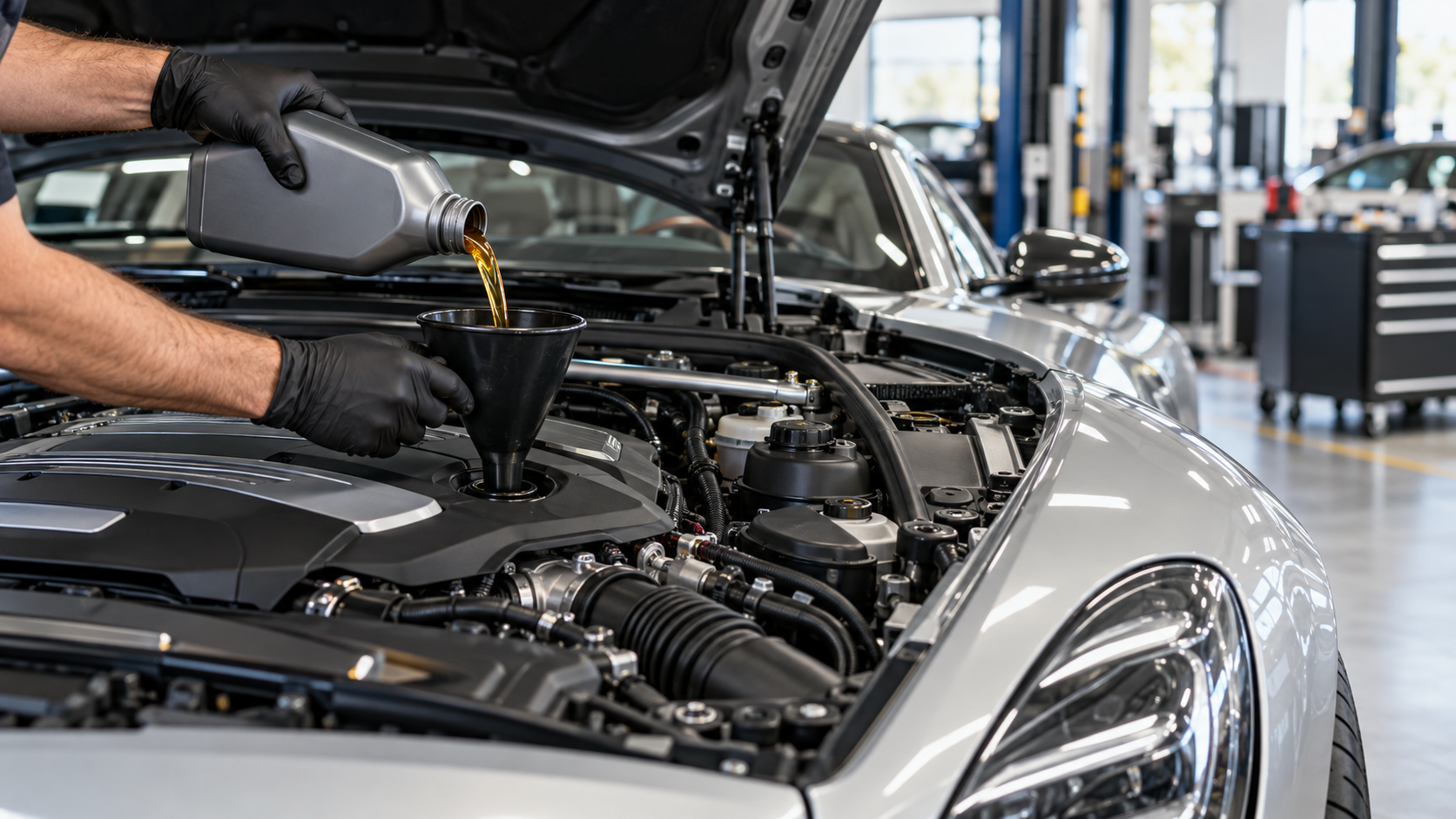

Does Car Warranty Coverage Change as Mileage Increases?
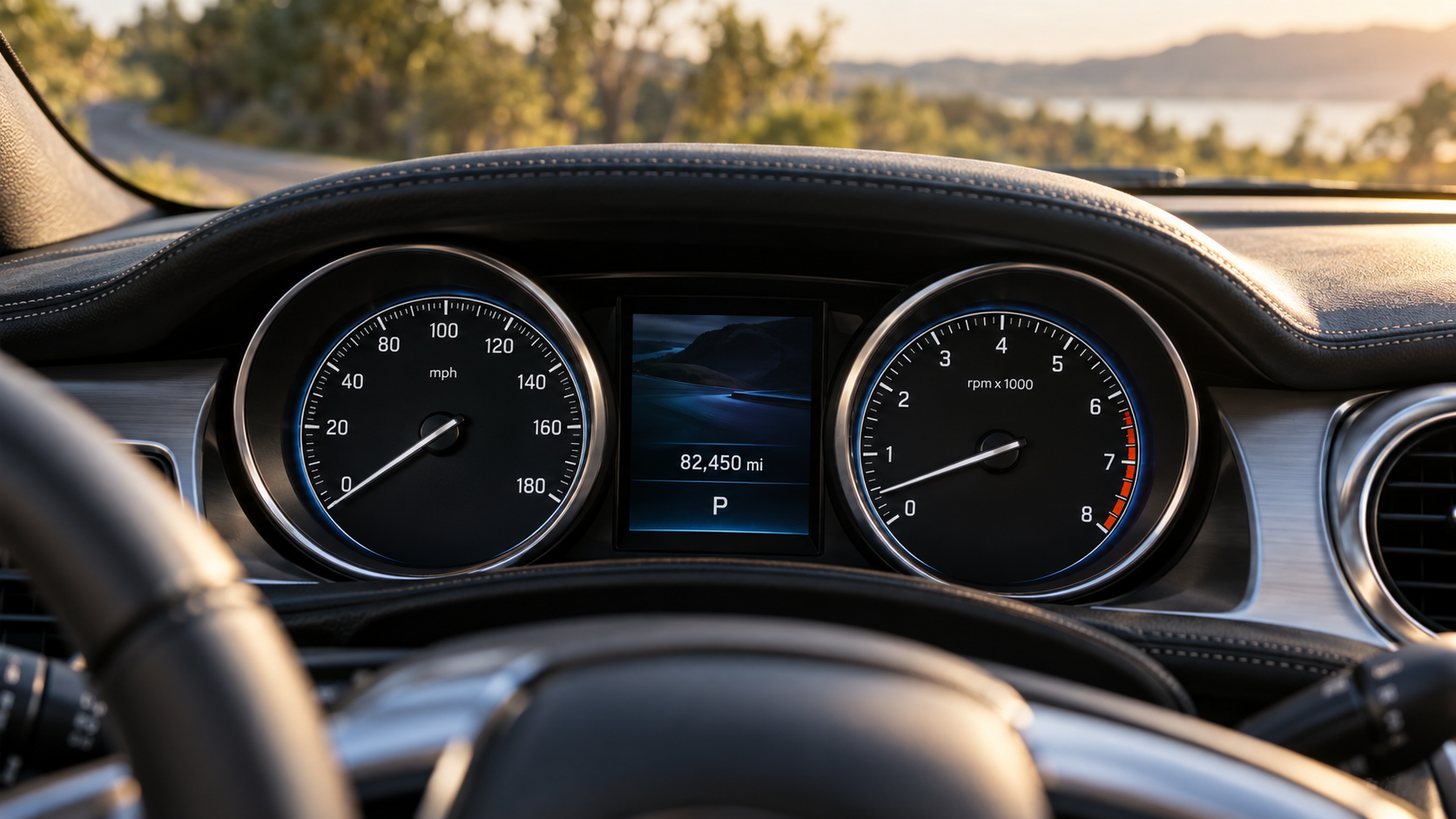
Does Car Warranty Coverage Change as Mileage Increases?
Higher mileage can affect warranty expiration and the protection available to purchase, but it does not automatically reduce every benefit in an existing agreement. A factory warranty may end at a stated odometer reading, while a vehicle service contract may have separate enrollment and expiration rules. Whether coverage changes at a particular mileage depends on the written terms, not a universal rule for all cars.
This distinction matters when a vehicle approaches a milestone such as 50,000 or 100,000 miles. One agreement may remain active, another may expire, and some replacement coverage options may no longer be available. Check each agreement separately before assuming that every additional mile changes what is covered.
Separate Three Different Mileage Questions
Mileage can play different roles before purchase, during coverage, and when a claim is submitted. Start by asking:
- Enrollment: What is the maximum mileage at which this vehicle can qualify for this plan?
- Expiration: At what odometer reading, date, or added-mile allowance does coverage end?
- Claim payment: Does the agreement contain any mileage-based limit on reimbursement or benefits?
These are separate questions, and a sales description may answer only one. Understanding the distinction helps you identify which mileage figure actually matters to your next decision.
How Do Time and Mileage Limits Work Together?
Many factory warranties end when either the stated time limit or mileage limit is reached, whichever comes first. Driving fewer miles does not necessarily preserve coverage beyond the time limit. Driving more miles can bring the expiration point forward even when the vehicle is relatively new.
A vehicle service contract can use its own start date, mileage basis, and expiration conditions. Do not assume its clock starts when the factory warranty ends or when the contract is purchased. The declarations page and coverage provisions should establish the dates and mileage that apply.
A Simple Expiration Example
The following figures are hypothetical and do not represent a Pneumas plan or a standard warranty offered on every vehicle. Consider an agreement that expires four years after its defined start date or at 50,000 total odometer miles:
- A vehicle reaching 50,000 miles in year three reaches the mileage limit first.
- A vehicle reaching year four with 30,000 miles reaches the time limit first.
- Remaining below one limit does not override the other expiration condition.
Different systems may have different factory warranty periods, so the end of broad coverage does not prove that every component has lost protection. For more context, read Can You Still Get an Extended Warranty After Your Factory Warranty Ends?
Does a Mileage Limit Mean Total Miles or Additional Miles?
A contract’s mileage term may refer to the vehicle’s total odometer reading or to miles added after a defined starting point. Those structures can produce very different end points for the same vehicle. Ask for the exact expiration odometer reading in writing rather than relying on a phrase such as “50,000 miles of protection.”
The contract may also measure time from an original in-service date or another defined date. An advertised number of years or miles does not tell you how much coverage remains unless you know where the calculation begins. Review the declaration details and the definition of the coverage term together.
Compare Two Hypothetical Mileage Structures
Assume a vehicle has 60,000 miles when an agreement begins. These examples illustrate the difference without describing any particular available plan:
- Coverage ending at 100,000 total odometer miles would provide up to 40,000 additional miles, subject to its time limit and other terms.
- Coverage providing 50,000 added miles from a 60,000-mile starting reading would reach its mileage limit at 110,000 miles, subject to its time limit and other terms.
- A time limit could end either agreement before the calculated odometer reading is reached.
Do not add the advertised mileage to your odometer unless the agreement specifically uses an added-mile structure. Clarifying this before purchase helps prevent a costly misunderstanding later.
Can Higher Mileage Limit the Coverage You Can Buy?
Yes, higher mileage can affect enrollment eligibility, available plan levels, pricing, or the length of protection offered. The provider may also consider vehicle age, condition, make, model, maintenance history, and known problems. There is no single mileage cutoff that applies to every manufacturer, provider, or vehicle.
This affects a new purchase differently from an agreement already in force. A plan that is unavailable for new enrollment at your current mileage may still provide existing coverage if its own term remains active and its conditions are met. Review the current agreement before assuming you need to replace it.
What to Ask Before a Mileage Milestone
If you are considering additional protection, gather the vehicle details and compare actual offers. Ask:
- Which plans are available at today’s age and mileage?
- Does crossing an enrollment threshold change the plans or term lengths offered?
- Are inspections, maintenance records, or waiting periods required?
- Are the mechanical, electrical, and technology components important to your vehicle included?
- What are the deductible, exclusions, and repair-payment limits?
Exploring options earlier gives you time to compare, but it does not establish eligibility or guarantee approval. Any existing symptoms should be disclosed rather than treated as something a new plan will automatically cover.
Can You Get an Extended Warranty After 100,000 Miles?
Some higher-mileage vehicles may qualify for additional repair protection, but 100,000 miles is not a universal approval or denial point. What consumers call an extended warranty may be a separately purchased vehicle service contract with provider-specific eligibility rules. Available options depend on the individual vehicle and the agreement being offered.
A plan suitable for one high-mileage car may be unavailable or inappropriate for another. Age, maintenance, modifications, prior repairs, and existing failures can matter alongside the odometer reading. For luxury or exotic vehicles, confirm eligibility for the exact make and model rather than relying on a general high-mileage advertisement.
Review the Vehicle and the Proposed Agreement
Before buying, request answers that apply to your actual vehicle. Important checks include:
- Whether the VIN and current mileage meet enrollment requirements.
- Which components and qualifying failures are included.
- How wear-related failures, existing problems, and maintenance duties are treated.
- Which repair facilities can be used and how work is authorized.
- When coverage starts and the exact time and mileage expiration points.
A new contract should not be assumed to cover a failure that already exists, even if the vehicle can still be driven. High mileage makes clear documentation more useful; it does not replace the need for a qualifying future claim.
Does an Active Contract Automatically Cover Less at Higher Mileage?
Not necessarily. An agreement does not universally switch from broad coverage to powertrain-only coverage merely because the odometer reaches a round number. Any scheduled reduction in benefits, mileage-based reimbursement condition, or coverage change should be identified in the contract.
At the same time, remaining within the mileage term does not guarantee payment for every repair. The component, cause of failure, maintenance requirements, exclusions, and claim procedures still apply. The Federal Trade Commission notes that some service contracts may calculate only partial repair or replacement payments based on mileage, making the payment provisions worth checking.
Read Beyond the Expiration Number
Look for wording that explains both coverage scope and payment. Ask the provider to clarify:
- Whether covered components change during the term.
- Whether any benefit or reimbursement amount varies with mileage.
- Whether wear-related failures are included or excluded.
- Whether per-repair or total contract limits apply.
- Whether deductibles or other customer-paid charges can change under defined conditions.
A high odometer reading alone does not answer these questions. The same careful reading is necessary when a product advertises unlimited mileage.
What Does Unlimited Mileage Protection Actually Mean?
Unlimited mileage generally means the applicable protection has no mileage expiration cap while the agreement remains in effect and its terms are satisfied. It does not automatically mean unlimited time, every component covered, or unlimited claim payments. Enrollment eligibility, covered failures, exclusions, maintenance duties, and other conditions can still apply.
Pneumas offers Unlimited Mileage Protection options for dealerships and vehicle owners, with coverage varying by provider and selected plan. Ask which options are available for your vehicle and request the actual agreement. A product’s unlimited-mileage feature should be evaluated alongside the rest of its benefits and restrictions.
Questions to Ask About an Unlimited-Mileage Option
Make sure the provider distinguishes the mileage benefit from the other conditions. Confirm:
- Whether there is a time limit, renewal requirement, or other termination condition.
- What age, mileage, and vehicle requirements apply at enrollment.
- Which components and causes of failure qualify for coverage.
- Whether business use, modifications, or specific driving activities affect eligibility.
- What maintenance, authorization, deductible, and payment limits apply.
Unlimited mileage can be relevant for frequent drivers, but suitability depends on the whole agreement. Compare it with your annual driving and ownership plans before deciding.
How Can You Choose Coverage That Fits Your Driving?
Compare the agreement’s remaining time and miles with how long you expect to own the vehicle and how much you drive each year. An odometer limit can arrive sooner than expected for a long-distance commuter, while a time limit can matter more for an occasional-use car. The useful term is the protection you can actually use within both limits.
For example, a hypothetical 30,000 miles remaining at 15,000 miles of driving per year would be used in approximately two years. That estimate does not override an earlier time expiration or any other contract condition. Use realistic driving expectations rather than choosing solely by the largest number in an advertisement.
Build a Practical Coverage Checklist
Before selecting an agreement, compare these details side by side:
- Current vehicle age, mileage, condition, and existing coverage.
- Expected annual miles and planned ownership period.
- Coverage start date, mileage basis, and expiration conditions.
- Covered systems, exclusions, maintenance duties, and claim requirements.
- Deductibles, repair-facility rules, and applicable payment limits.
Pneumas’ Vehicle Service Contracts may provide options for eligible vehicles and qualifying future repairs, depending on the agreement. Comparing the actual terms helps you choose based on your driving needs rather than a mileage milestone alone.
Frequently Asked Questions About Car Warranty Mileage Limits
Mileage questions often combine two different concerns: whether existing protection remains active and whether a new plan can still be purchased. The answers can differ even for the same vehicle. Use the agreement’s definitions and written eligibility confirmation to resolve the details.
Does My Car Warranty End When I Reach the Mileage Limit?
If the applicable warranty ends at a stated mileage or time limit, coverage generally ends when the first limit is reached. Other factory warranties may have different terms for particular systems. Check the specific coverage that applies to the failed component.
Does a Car Warranty Cover Less After 50,000 Miles?
There is no universal rule that all coverage becomes narrower at 50,000 miles. A particular warranty may expire there, while another agreement remains active under its own terms. Any change in components or benefits depends on the written agreement.
Can I Buy a Vehicle Service Contract After 100,000 Miles?
Some vehicles may qualify, but availability depends on provider rules and the vehicle’s age, condition, make, model, and history. A high-mileage offer is not a guarantee that your specific car is eligible. Ask for confirmation using the VIN and current odometer reading.
Does Low Mileage Keep a Warranty Active Longer?
Low mileage does not generally extend coverage beyond a stated time limit. A car driven only occasionally can still reach its expiration date before its mileage cap. Confirm the original coverage start date and the applicable expiration conditions.
Does Unlimited Mileage Mean Lifetime Coverage?
No, unlimited mileage and lifetime duration describe different things. An agreement can remove a mileage cap while retaining a time limit or other conditions. Check what ends the protection and whether renewal or continuing ownership is required.
Can I Extend Coverage After a Problem Starts?
You can ask about eligibility, but new protection should not be assumed to pay for an existing failure or symptom. Pre-existing-condition exclusions and other enrollment requirements may apply. Disclose known issues and arrange diagnosis under any coverage already in place.
What Should You Check Before Your Next Mileage Milestone?
Start by confirming which agreements remain active and what will end each one. Then review whether higher mileage affects the protection available to purchase, any payment conditions, and your preferred repair arrangements. Those checks are more useful than assuming every car loses the same benefits at the same odometer reading.
If you plan to keep driving beyond factory coverage, compare options before you need to rely on them. Keep maintenance records and written confirmation of the term, limits, and eligibility. The goal is a clear understanding of future repair protection and the expenses that remain yours.
Explore Vehicle Protection Options With Pneumas
Pneumas helps vehicle owners and dealerships across the United States explore automotive protection solutions. To discuss options for your current mileage and ownership plans, contact our team or call (561) 917-8282. Share your vehicle’s year, make, model, mileage, and known issues so the team can discuss applicable eligibility and plan terms.
- Ask about available vehicle service contracts and unlimited-mileage options.
- Compare covered components, exclusions, deductibles, and claim procedures.
- Request the exact coverage dates and mileage conditions in writing.
Choose protection with a clear understanding of how the agreement works as you drive. All coverage remains subject to the selected plan, vehicle eligibility, qualifying failures, and applicable contract requirements.
About Pneumas
Pneumas provides automotive protection solutions for dealerships and vehicle owners across the United States, including Vehicle Service Contracts, Tire & Wheel Protection, GAP Coverage, Appearance Protection, Dent & Ding Protection, Windshield Protection, Key Replacement Protection, Roadside Assistance, and F&I Training & Compliance. Our goal is to help protect vehicles from unexpected repair costs and everyday ownership risks while supporting dealerships with flexible protection programs and F&I solutions; explore our Automotive Protection Products or contact our team to learn more.
Recent Posts