
Does a Car Warranty Cover Routine Maintenance? A Guide for Luxury Car Owners
Does a Car Warranty Cover Routine Maintenance?
A car warranty generally does not pay for routine maintenance such as scheduled oil changes, filters, or fluid services. Those expenses may be included in a separate maintenance program, a prepaid service plan, or specific benefits stated in an agreement. Owning a luxury or exotic car does not automatically change that distinction.
A factory warranty usually addresses qualifying defects during its coverage period, while maintenance keeps the vehicle serviced according to its manufacturer’s schedule. A separately purchased vehicle service contract may help with eligible breakdowns and can sometimes include additional benefits, but those benefits must be confirmed. Before booking service, identify which agreement applies to the work being recommended.
Start With the Reason for the Service Visit
The most useful question is whether the vehicle needs scheduled upkeep, replacement of a worn item, or repair of a failed component. These examples illustrate why the distinction matters:
- An oil change due under the maintenance schedule is routine upkeep.
- Brake pads worn through normal driving are wear items, even if they need replacement earlier than expected.
- A failed component may qualify for warranty or contract coverage if the failure meets the applicable terms.
- A service visit can contain both covered repairs and customer-paid maintenance.
Ask the service advisor to separate each item on the estimate. Understanding the purpose of the work makes the different protection options easier to compare.
What Is the Difference Between a Warranty and a Maintenance Plan?
A warranty and a maintenance plan address different ownership expenses. A manufacturer warranty may pay to correct qualifying defects, while a maintenance plan provides specified scheduled services under its own rules. A vehicle service contract is a separate agreement that may cover eligible repairs, often marketed to consumers as an extended warranty.
The product name alone does not establish what is included. A package described as “vehicle protection” or “service coverage” could contain repair benefits, maintenance benefits, or several separate products. Read the actual documents rather than assuming that one package pays for every visit to the shop.
Compare What Each Agreement Is Designed to Do
Use this comparison to identify the questions to ask before buying or using coverage:
- Manufacturer warranty: Which defects qualify, which components are included, and what time or mileage limits apply?
- Vehicle service contract: Which failures are covered, what exclusions apply, and how are repairs authorized?
- Maintenance plan: Which scheduled services are included, how often may they be performed, and where must they be completed?
- Wear-item benefits: Are items such as brake pads or wiper blades specifically included, or excluded from the package?
Some programs combine benefits, but each benefit still has conditions. For a broader explanation of repair protection, read What Is a Vehicle Service Contract? before comparing it with maintenance coverage.
Are Oil Changes, Brakes, and Spark Plugs Covered?
Scheduled oil changes, filter replacements, and spark-plug services are generally maintenance expenses rather than warranty repairs. Brake pads and rotors may be treated as wear items, with coverage depending on the program and reason for replacement. A separate maintenance or wear-item benefit may pay for specified work, but inclusion should never be assumed.
The reason for replacement can change the answer. Replacing a part at its scheduled interval is different from correcting a qualifying defect under an active warranty. Even when a covered repair requires fluids or related supplies, that does not establish a general benefit for future routine fluid services.
Check Each Item Instead of Relying on “Full Coverage”
Ask for an itemized answer when reviewing a service recommendation. Common items require different checks:
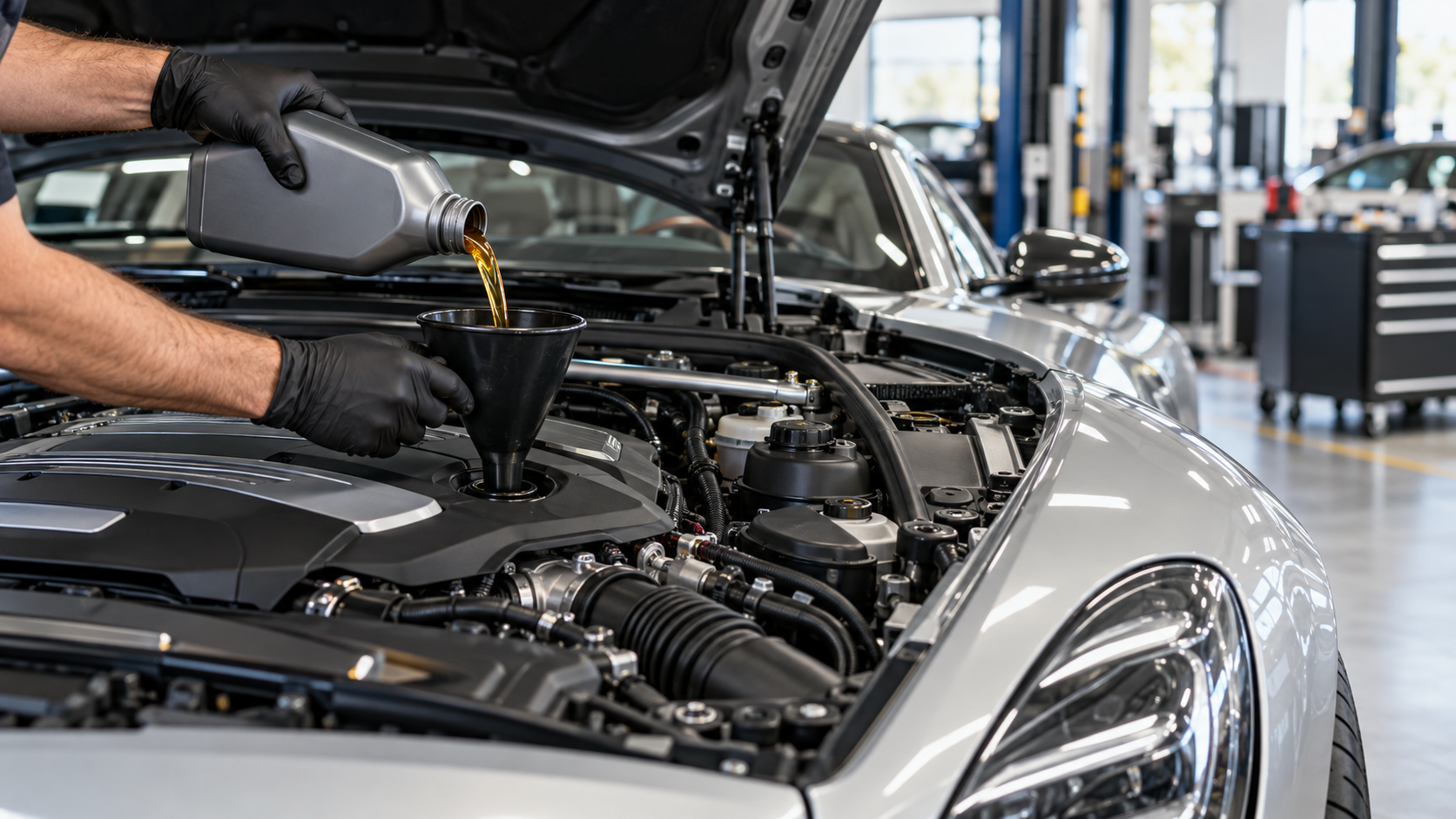
- Oil and filters: Confirm whether scheduled services are included and when the next eligible service becomes due.
- Brake pads and rotors: Look for an explicit wear-item benefit and any applicable wear limits or exclusions.
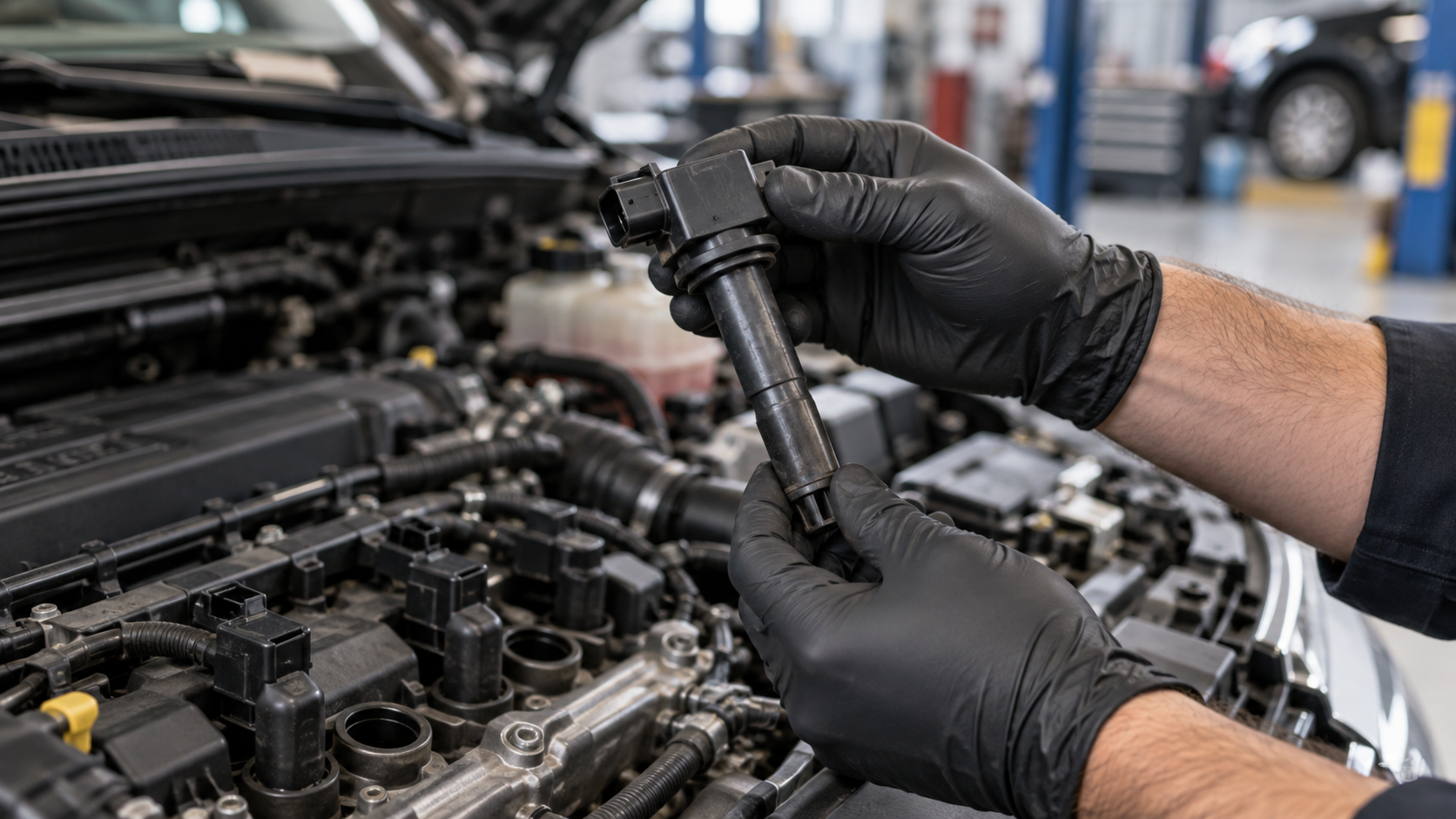
- Spark plugs: Check the vehicle-specific replacement schedule and whether the maintenance program includes that service.
- Fluid services and inspections: Verify the exact service, permitted interval, and any excluded shop extras.
An expensive maintenance bill does not become a covered breakdown simply because the vehicle is costly to own. Luxury-car programs can provide useful benefits, but their scope needs the same careful review.
Do Luxury and Exotic Cars Come With Maintenance Coverage?
Some luxury vehicles include specified maintenance benefits when new, while others offer separately purchased scheduled-maintenance plans. Availability depends on the manufacturer, model year, vehicle, ownership history, and program rules. A used luxury car may not retain every benefit originally associated with the new vehicle.
Manufacturer programs demonstrate why the distinction matters. BMW describes scheduled-maintenance coverage separately from its new-vehicle warranty, while Porsche offers a prepaid Scheduled Maintenance Plan. These are examples of manufacturer programs, not a statement that Pneumas sells either program or that every luxury vehicle includes maintenance.
Verify Benefits for the Specific Vehicle
Ask the manufacturer or authorized service center to check the VIN and current eligibility. Important details include:
- Whether any included maintenance benefit remains active.
- Whether the benefit transfers to a subsequent owner.
- Which services qualify and whether they must be due under the manufacturer’s schedule.
- Which facilities may perform the work and whether optional recommendations are excluded.
Written confirmation is particularly helpful when buying a used or specialty vehicle. Once existing benefits are identified, you can decide whether you need help budgeting for upkeep, protection against qualifying breakdowns, or both.
Can a Vehicle Service Contract Include Maintenance?
A vehicle service contract can include specified maintenance benefits, but many plans focus on qualifying mechanical or electrical breakdowns. If routine services are not expressly included, budget for them separately. An agreement’s reference to an engine, transmission, or electrical system does not mean scheduled servicing of that system is paid for.
Pneumas offers Vehicle Service Contracts for eligible vehicles, with coverage determined by the selected agreement. Ask about the actual repair benefits, exclusions, deductibles, and claim procedures for your vehicle. Do not assume a quoted repair-protection plan includes oil changes, brake services, or other maintenance unless its written terms say so.
Questions to Ask About Any Maintenance Benefit
Request the benefit details rather than relying on a general sales description. Clarify the following before purchase:
- Is maintenance included in this agreement, added through a separate product, or excluded?
- Which services are listed, and are there visit limits or maximum reimbursement amounts?
- Are services available only at designated facilities or at specific intervals?
- What records, approvals, or payment procedures are required?
A limited maintenance allowance can be useful without covering every scheduled service. The more consequential issue is understanding how required upkeep affects protection for future repairs.
Can Missing Maintenance Affect Warranty Coverage?
Neglected maintenance can affect a repair claim when it contributes to the failure or breaches applicable contract requirements. For example, a provider may investigate whether required fluid service was performed when reviewing a related component failure. A missing receipt or a late service should not be treated as proof that every unrelated factory-warranty claim is automatically invalid.
Manufacturer warranty protections and separately purchased service-contract conditions need to be considered individually. The Federal Trade Commission explains that using an independent repair shop for routine maintenance does not, by itself, void a manufacturer warranty. Maintenance benefits and service contracts can nevertheless have specific facility, documentation, and claim requirements that owners should review.
Build a Service Record You Can Use
Keep documentation that connects completed maintenance to the correct vehicle and schedule. A useful record includes:
- The service date, mileage, VIN, and repair facility.
- An itemized description of the work and relevant fluid or part specifications.
- Invoices and receipts, including records of work completed outside the dealership.
- The applicable maintenance schedule and notes about any special-use requirements.
If you perform maintenance yourself, check documentation requirements before doing the work and retain supporting receipts. Maintaining the vehicle and keeping usable records are practical steps even when routine servicing remains an out-of-pocket expense.
Should You Buy a Maintenance Plan or Repair Protection?
Choose based on which costs you want help managing and what the agreement actually provides. A maintenance plan can prepay specified services you expect to need, while repair protection may help with eligible unexpected breakdowns. Neither option removes every ownership expense, and paying for both makes sense only when their benefits fit your vehicle and plans.
Compare any maintenance-plan price with written estimates for the included services you are likely to use before the plan expires. For repair protection, consider coverage scope, exclusions, deductibles, payment limits, and the cost of the contract itself. Check existing benefits so you do not pay twice for the same protection.
Use a Short Comparison Checklist
Before committing, ask the seller to explain these points in writing:
- Planned ownership: Will you keep the vehicle long enough to use the services or coverage?
- Included work: Are expensive scheduled services included, or only a narrower list?
- Repair exposure: Which vehicle systems would remain outside the proposed protection?
- Practical access: Can your preferred dealership or qualified specialty shop perform eligible work?
- Exit terms: What cancellation, refund, or transfer conditions apply?
You can also review What Should You Look for in a Car Warranty Company? when evaluating the agreement and provider. A clear comparison helps turn a broad protection pitch into a decision based on actual benefits.
Frequently Asked Questions About Car Warranties and Maintenance
Maintenance and warranty questions often arise because the same service department handles both types of work. What determines payment is the reason for the service and the agreement covering it, not simply where the appointment takes place. These answers provide a starting point for checking your own documents.
Does an Extended Warranty Cover Oil Changes?
Many products sold as extended warranties are vehicle service contracts focused on qualifying breakdowns, so routine oil changes are often excluded. Some agreements or separate maintenance packages include scheduled oil services. Check the written benefit rather than assuming engine coverage includes oil changes.
Does a Bumper-to-Bumper Warranty Cover Maintenance?
The phrase “bumper-to-bumper” does not mean every maintenance expense is included. Scheduled upkeep and ordinary wear items are generally handled separately from qualifying defects. A vehicle may have an included maintenance program alongside its warranty, with its own limits.
Are Brake Pads Covered Under a Luxury Car Warranty?
Brake pads worn through ordinary use are generally treated as wear items rather than covered defects. Some luxury-car maintenance or wear-item programs specifically include their replacement under defined conditions. Confirm the program, cause of replacement, and eligibility for your particular vehicle.
Do I Have to Service My Car at the Dealership?
Using an independent shop for routine maintenance does not automatically void a manufacturer warranty. However, an included maintenance program or separately purchased service contract may require designated facilities for its benefits. Verify the requirements for the specific agreement you intend to use.
Can I Buy a Maintenance Plan After the Factory Warranty Expires?
Availability depends on the vehicle and the maintenance-plan provider’s eligibility rules. A prepaid maintenance plan and a vehicle service contract are different products, so ask which one is being offered. Neither should be assumed to pay for a breakdown or overdue service that is excluded under its terms.
Can a Warranty and a Maintenance Plan Be Used Together?
Yes, separate agreements can address different work during the same visit, subject to their terms. For example, eligible scheduled servicing may be handled under a maintenance program while a qualifying defective-component repair is submitted under a warranty. Ask the shop to itemize the charges and identify which agreement applies to each.
How Can You Plan for Maintenance and Unexpected Repairs?
Start by separating scheduled upkeep from qualifying repair protection. Check what your vehicle already includes, follow its maintenance requirements, and compare any additional product against the expenses it is designed to address. That gives you a clearer ownership budget than assuming one warranty pays for every shop visit.
For luxury and exotic vehicles, review the details for the exact model, mileage, and service history. A plan can be valuable only if its eligible benefits match your needs and its conditions are practical to follow. Keep funds available for exclusions, deductibles, and maintenance that remains your responsibility.
Explore Vehicle Protection Options With Pneumas
Pneumas helps vehicle owners and dealerships across the United States explore automotive protection solutions. To discuss available vehicle service contract options for eligible future repairs, contact our team or call (561) 917-8282. Share your vehicle’s year, make, model, mileage, and known issues so the team can discuss eligibility and the applicable agreement.
- Ask which mechanical and electrical components may qualify for protection.
- Review exclusions, maintenance duties, deductibles, and authorization requirements.
- Confirm any additional benefits directly in the written agreement.
Understanding those terms before purchase makes the distinction between upkeep and repair protection much clearer. Any coverage remains subject to the selected contract, vehicle eligibility, and qualifying claim requirements.
About Pneumas
Pneumas provides automotive protection solutions for dealerships and vehicle owners across the United States, including Vehicle Service Contracts, Tire & Wheel Protection, GAP Coverage, Appearance Protection, Dent & Ding Protection, Windshield Protection, Key Replacement Protection, Roadside Assistance, and F&I Training & Compliance. Our goal is to help protect vehicles from unexpected repair costs and everyday ownership risks while supporting dealerships with flexible protection programs and F&I solutions; explore our Automotive Protection Products or contact our team to learn more.
Recent Posts