

Does a Car Warranty Cover Electrical Problems? (2026 Guide)
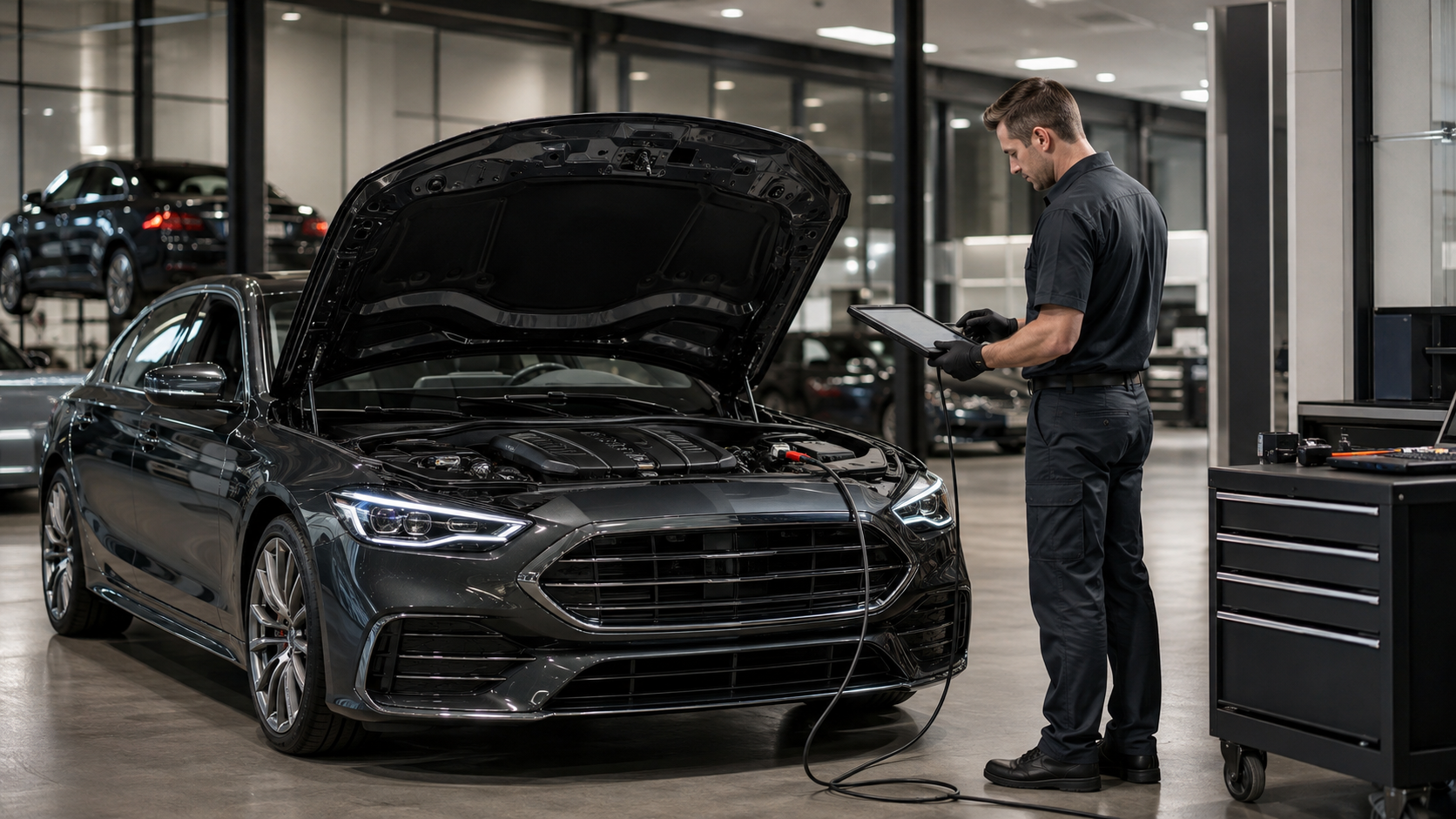
Does a Car Warranty Cover Electrical Problems?
A car warranty may cover certain electrical problems, but the answer depends on the type of warranty, the specific component that failed, and the cause of the issue. Modern vehicles rely heavily on sensors, control modules, power accessories, displays, cameras, and other electronic systems, which means electrical repairs can become expensive quickly when something goes wrong. Understanding what may qualify for coverage can help drivers avoid unexpected repair costs and know when a claim may be possible.
Factory warranties often include protection for certain electrical components during the applicable warranty period, especially when the failure is related to a covered defect rather than normal wear, damage, or improper maintenance. Once factory coverage ends, drivers may still have access to additional protection through a Vehicle Service Contract, depending on the vehicle and the terms of the plan. The level of electrical coverage can vary significantly, so reviewing the contract details is essential before assuming a repair will be included.
In this guide, we’ll explain which electrical problems may be covered, which components are commonly included, what exclusions drivers should watch for, and how coverage can change once the manufacturer warranty expires. We’ll also look at when additional protection may be worth considering for vehicles with advanced electronics and technology systems.
What Electrical Components May Be Covered by a Car Warranty?
Electrical coverage can vary widely depending on the manufacturer, warranty type, and specific terms of the agreement. Some warranties include a broad range of electrical systems, while others only cover certain components when the failure is caused by a covered defect. Because modern vehicles rely on increasingly complex electronics, reviewing the exact list of covered components is especially important before assuming a repair will qualify.
Power Accessories and Convenience Features
Many factory warranties may include certain power-operated components during the applicable coverage period. These systems can include features that drivers use every day, and repairs can become costly when motors, switches, or control units fail. Coverage depends on the cause of the problem and whether the component is specifically included under the warranty.
Common examples may include:
- Power windows
- Power door locks
- Power seats
- Power mirrors
- Trunk or liftgate motors
- Interior electronic controls
Sensors and Control Modules
Modern vehicles use numerous sensors and electronic control modules to manage everything from engine performance to safety systems. Depending on the warranty, certain modules and sensors may be covered when they fail because of a qualifying defect. These components can be expensive to diagnose and replace, especially on newer luxury, exotic, and technology-heavy vehicles.
Infotainment and Display Systems
Digital dashboards, touchscreens, infotainment units, navigation systems, and related displays may also be covered under certain factory warranties. Coverage can vary significantly by manufacturer and may have different time or mileage limits than other vehicle systems. Drivers should review the warranty terms carefully if a display, screen, or infotainment component begins to malfunction.
Starting and Charging Systems
Certain components related to starting and charging may also qualify for warranty coverage depending on the failure and agreement. This may include parts such as the starter, alternator, and related electrical components, while batteries may have separate warranty terms or exclusions. The repair facility may need to diagnose the issue first to determine which component actually caused the failure.
Advanced Driver-Assistance Technology
Many newer vehicles include cameras, radar sensors, electronic control units, and other components used by advanced driver-assistance systems. These systems can be among the most expensive electronics in the vehicle to diagnose and repair, making coverage especially important for owners of newer or premium vehicles. A Vehicle Service Contract may also include certain eligible electrical and technology components after factory protection ends, depending on the plan selected.
What Electrical Problems Are Usually Not Covered by a Car Warranty?
Even when a warranty includes electrical components, not every electrical issue will qualify for coverage. Problems caused by normal wear, outside damage, improper modifications, neglected maintenance, or pre-existing conditions may be excluded under the terms of the agreement. Understanding these limitations can help drivers know when an electrical repair is more likely to be covered and when they may be responsible for the cost.
Battery Wear and Routine Replacement
Vehicle batteries are often treated differently from other electrical components because they naturally lose capacity over time. Some batteries may have their own separate warranty period, while routine replacement caused by age or normal wear may not be covered under the vehicle’s broader warranty. Drivers should review the battery-specific terms before assuming a replacement will qualify.
Damage Caused by Aftermarket Modifications
Electrical problems linked to aftermarket wiring, audio systems, lighting upgrades, performance modifications, or other non-factory equipment may not be covered. If a modification contributes to a failure, the warranty provider may exclude the affected repair even if the original component would normally qualify. Drivers should understand how modifications may affect coverage before making changes to the vehicle’s electrical system.
Water, Accident, or External Damage
Electrical failures caused by flooding, water intrusion, collision damage, rodents, or other outside events are generally handled differently from mechanical or electrical defects. These types of issues may fall under insurance or another form of protection rather than a standard car warranty. The cause of the failure usually needs to be identified before coverage can be determined.
Pre-Existing Electrical Problems
An electrical issue that existed before additional coverage became active is typically not eligible for protection. Warning lights, intermittent electrical failures, malfunctioning displays, or known diagnostic trouble codes may be considered pre-existing conditions depending on the contract. This is one reason it can be helpful to explore coverage before a problem begins rather than after an electrical failure is already present.
Normal Wear and Maintenance-Related Issues
Some electrical problems may result from worn connectors, neglected maintenance, corrosion, or other conditions that are not considered covered failures. Warranty protection usually depends on the cause of the issue rather than simply the fact that an electrical component stopped working. Reviewing the terms of the Vehicle Service Contract or factory warranty can help clarify which conditions are excluded.
How Are Electrical Repairs Diagnosed for Warranty Coverage?
Electrical problems can be difficult to diagnose because a single warning light or malfunction may be caused by several different components. Before a warranty provider can determine whether a repair is covered, the vehicle may need to undergo diagnostic testing to identify the source of the failure. This process helps distinguish a covered component failure from issues caused by wear, external damage, modifications, or another excluded condition.
Diagnostic Testing Helps Identify the Failed Component
Technicians may use scan tools, electrical testing equipment, manufacturer-specific software, and physical inspections to determine what is causing the problem. A fault code alone does not always identify the exact part that needs to be replaced, so additional testing may be necessary before repairs are approved. This is especially common with modern vehicles that rely on interconnected sensors, modules, and communication networks.
The Cause of the Failure Can Affect Coverage
Once the problem is identified, the warranty or service contract provider may review whether the failed component and cause of failure fall within the terms of the agreement. A covered control module that fails internally may be treated differently from the same module being damaged by water intrusion or improper wiring. The diagnosis therefore plays an important role in determining whether the repair qualifies for coverage.
Authorization May Be Required Before Repairs Begin
Some warranties and vehicle service contracts require the repair facility to obtain authorization before completing covered work. The facility may provide diagnostic results, repair estimates, component information, and other documentation before approval is issued. Drivers should avoid authorizing major repairs until they understand whether prior approval is required under their coverage.
Keep Diagnostic and Repair Records
Maintaining copies of diagnostic reports, repair orders, and maintenance records can be helpful when a future claim is reviewed. These records create a history of the vehicle’s condition and can help document when an electrical problem first appeared and how it was repaired. Good documentation can be especially valuable for vehicles with complex electronic systems or recurring electrical concerns.
What Happens to Electrical Coverage After the Factory Warranty Expires?
Once the factory warranty expires, drivers may become responsible for electrical repairs that would previously have qualified under manufacturer coverage. This can be especially important on modern vehicles because sensors, modules, displays, cameras, and other electronic systems can be costly to diagnose and replace. The end of factory protection does not necessarily mean additional coverage is unavailable, but eligibility and coverage levels can vary.
Some Electrical Components May Still Be Eligible for Protection
A Vehicle Service Contract may include certain electrical and technology-related components depending on the plan selected. Coverage may extend to eligible control modules, power accessories, climate-control electronics, sensors, and other systems listed in the agreement. Drivers should review the contract carefully because electrical protection can differ significantly between basic and more comprehensive plans.
Coverage Can Depend on Vehicle Age and Mileage
The age and mileage of the vehicle can influence which protection options remain available after factory coverage ends. A newer vehicle with lower mileage may qualify for broader protection than an older or higher-mileage vehicle. Exploring coverage sooner may provide more options before the vehicle accumulates additional mileage or develops an existing electrical problem.
Advanced Vehicles May Benefit From Broader Coverage
Luxury, exotic, performance, and technology-heavy vehicles often rely on more sophisticated electrical systems than simpler vehicles. The cost of replacing a digital display, control module, electronic suspension component, or advanced driver-assistance sensor can be substantial. Drivers with these vehicles may want to pay particular attention to how electronics and technology are addressed within the available coverage.
Review Coverage Before an Electrical Problem Starts
Additional protection is generally intended for eligible future failures rather than issues that already exist when the contract begins. Waiting until a warning light appears or an electrical component starts malfunctioning may mean that particular issue is considered pre-existing. Drivers can also review Can You Still Get an Extended Warranty After Your Factory Warranty Ends? to learn more about eligibility and timing after manufacturer protection expires.
Is Additional Electrical Coverage Worth It?
Additional electrical coverage may be worth considering for drivers who own vehicles with advanced electronics, higher repair costs, or limited remaining factory protection. Modern cars depend on a growing number of sensors, modules, displays, cameras, and electronically controlled systems, which can make certain repairs more expensive than traditional mechanical fixes. The value of added protection depends on the vehicle, the coverage terms, and how comfortable the owner is handling unexpected repair costs.
Consider the Complexity of Your Vehicle
Vehicles with more technology generally have more electronic components that could eventually require diagnosis or repair. Luxury, exotic, performance, hybrid, electric, and highly equipped vehicles may be especially dependent on complex control systems and specialized electronic components. For these vehicles, broader protection may provide more value than a plan focused only on basic mechanical systems.
Compare Coverage With Potential Repair Costs
A single electrical repair involving a control module, digital display, sensor system, or advanced electronic component can become expensive depending on the vehicle. Drivers should compare the cost of additional protection with the potential out-of-pocket expense of future repairs. Reviewing what is actually covered can help determine whether the plan offers meaningful protection for the systems most relevant to the vehicle.
Think About How Long You Plan to Keep the Vehicle
Drivers who plan to keep their vehicle well beyond the factory warranty period may have more time to experience electrical failures as components age. Additional coverage may become more valuable when the vehicle will remain in service for several years without manufacturer protection. Owners who expect to sell or trade the vehicle soon may have a different cost-benefit calculation.
Review the Broader Warranty Picture
Electrical coverage should be considered as part of the vehicle’s overall repair protection rather than as a completely separate decision. Drivers can review What Does a Car Warranty Cover? A Complete Guide for Vehicle Owners to better understand how electrical systems fit alongside mechanical, powertrain, and factory warranty coverage. This can make it easier to identify where protection already exists and where additional coverage may be useful.
Frequently Asked Questions About Electrical Problems and Car Warranty Coverage
Electrical issues can be some of the most confusing repairs to evaluate because modern vehicles rely on so many interconnected systems. Whether a problem is covered usually depends on the failed component, the cause of the issue, and the exact terms of the warranty or service contract. These common questions can help drivers better understand what may qualify for protection.
Does a Car Warranty Cover a Dead Battery?
Battery coverage can vary because the battery may have its own warranty terms separate from the vehicle’s broader coverage. A battery that fails because of age or normal wear may not be treated the same as an electrical component that fails because of a covered defect. Drivers should review the battery warranty and the vehicle warranty to understand which protection may apply.
Are Sensors Covered Under a Car Warranty?
Certain sensors may be covered if they fail during the applicable warranty period and the issue meets the terms of the agreement. Coverage can vary depending on the type of sensor, the cause of the failure, and whether the component is specifically included. Advanced driver-assistance sensors, engine sensors, and other electronic components may also have different coverage requirements.
Does a Car Warranty Cover the Alternator?
The alternator may be covered under some factory warranties or additional protection plans when the failure qualifies under the agreement. Coverage depends on the warranty type, the vehicle, and the cause of the problem. Damage related to neglect, external factors, or excluded conditions may not qualify even if the alternator itself is normally covered.
Are Infotainment Screens Covered?
Infotainment screens, digital displays, and related electronic systems may be included under certain factory warranties or broader protection plans. The exact coverage can vary by manufacturer and may have different time or mileage limits than other components. Drivers should review the agreement carefully if a screen, display, or control unit begins to malfunction.
Does a Vehicle Service Contract Cover Electrical Problems?
A Vehicle Service Contract may include certain eligible electrical and technology-related repairs depending on the coverage selected. More comprehensive plans may include a broader range of sensors, modules, power accessories, climate-control electronics, and other systems than basic mechanical plans. Reviewing the covered components and exclusions can help drivers understand how much electrical protection a plan actually provides.
What Should I Do if an Electrical Problem Starts?
If an electrical issue appears, drivers should have the vehicle properly diagnosed before assuming the repair is or is not covered. Warning lights, intermittent failures, malfunctioning displays, or power accessory problems can have several possible causes, so an accurate diagnosis is important. Before authorizing major work, it is also a good idea to check whether the warranty or service contract requires prior approval.
Understand Your Electrical Coverage Before a Repair Happens
Electrical systems are now a major part of modern vehicle ownership, and the cost of diagnosing or repairing them can add up quickly. Whether a repair is covered depends on the failed component, the cause of the issue, the warranty terms, and whether the vehicle is still within the applicable time or mileage limits. Reviewing those details before a problem occurs can help drivers better understand what protection they already have.
Once factory coverage ends, some drivers may want additional protection for eligible electrical and technology-related repairs. A Vehicle Service Contract may provide another layer of coverage depending on the plan selected, especially for vehicles with advanced electronics, sensors, displays, and control systems. Comparing covered components, exclusions, deductibles, and authorization requirements can help determine whether the protection fits the vehicle and ownership needs.
Explore Protection for Modern Vehicle Systems
Pneumas offers Vehicle Service Contracts for drivers looking to protect their vehicles beyond factory coverage. Explore available options to learn more about mechanical and electrical protection, or contact our team for help reviewing coverage that may fit your vehicle.
About Pneumas
Pneumas provides automotive protection solutions for dealerships and vehicle owners across the United States, including Vehicle Service Contracts, Tire & Wheel Protection, GAP Coverage, Appearance Protection, Dent & Ding Protection, Windshield Protection, Key Replacement Protection, Roadside Assistance, and F&I Training & Compliance. Our goal is to help protect vehicles from unexpected repair costs and everyday ownership risks while supporting dealerships with flexible protection programs and F&I solutions; explore our Automotive Protection Products or contact our team to learn more.
Recent Posts