
How Much Does an Extended Car Warranty Cost in 2026?
How Much Does an Extended Car Warranty Cost in 2026?
The cost of an extended car warranty in 2026 can vary widely depending on the vehicle, the level of protection selected, the deductible, the contract term, and the provider. In general, drivers should expect pricing to be based on factors such as vehicle age, mileage, make, model, repair complexity, and how comprehensive the coverage is. Because of these variables, there is no single price that applies to every vehicle.
What consumers commonly call an extended car warranty may actually be structured as a Vehicle Service Contract, which can help cover certain eligible mechanical and electrical repairs according to the terms of the agreement. A basic plan that focuses on major powertrain components may cost less than broader protection that includes electrical systems, steering, suspension, climate control, and technology-related components. The deductible and length of coverage can also have a significant impact on the overall price.
In this guide, we’ll explain what affects extended car warranty cost in 2026, why some vehicles cost more to protect than others, how deductibles and coverage levels affect pricing, and what drivers should compare before choosing a plan. We’ll also look at how vehicle service contract pricing works so you can better understand what you are paying for and whether the protection makes sense for your vehicle.
What Affects the Cost of an Extended Car Warranty?
Extended car warranty pricing is based on the risk of future repairs and the amount of protection included in the plan. Vehicle age, mileage, make, model, deductible, contract length, and coverage level can all influence the final price. Because these factors vary from one vehicle to another, two drivers can receive very different quotes for similar types of protection.
The Biggest Pricing Factors Include:
- Vehicle age
- Current mileage
- Make and model
- Repair and replacement costs
- Coverage level
- Deductible amount
- Contract term
- Mileage limits
- Vehicle technology and electronics
- Overall eligibility
Newer, lower-mileage vehicles may qualify for different pricing and coverage options than older or higher-mileage vehicles. Luxury, exotic, performance, and technology-heavy vehicles may also cost more to protect because repairs can involve specialized parts, advanced electronics, and higher labor costs. Comparing the actual coverage included is therefore more useful than comparing price alone.
Drivers looking for broader protection can explore Vehicle Service Contracts to learn how coverage options may differ based on the vehicle and level of protection selected.
How Does the Coverage Level Affect Extended Warranty Cost?
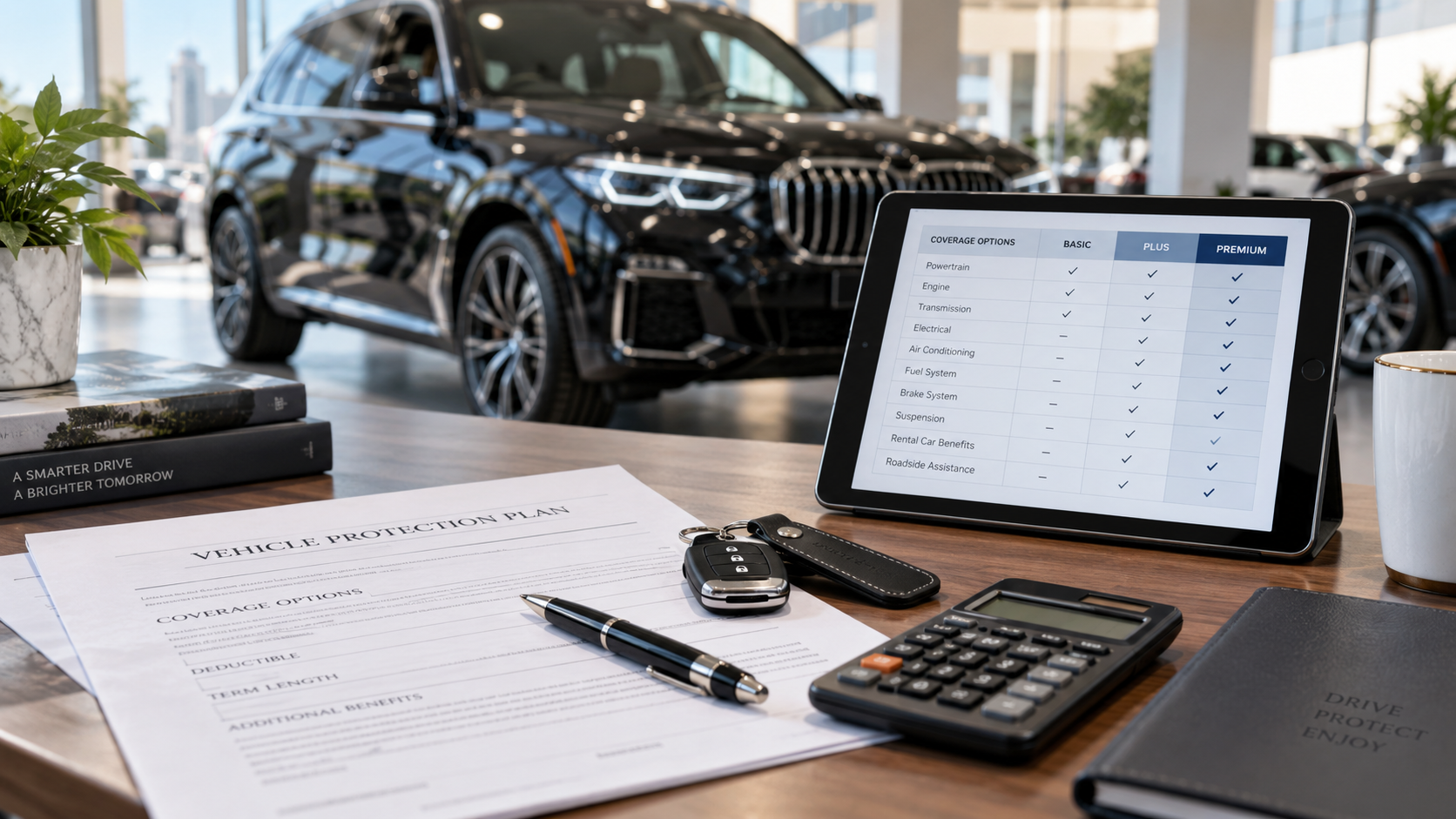
The amount of protection included in a plan can have a major effect on the overall cost of an extended car warranty. Basic plans typically focus on a smaller group of major mechanical components, while broader plans may include electrical systems, steering, suspension, climate control, and advanced technology. The more systems and components a plan includes, the more the coverage may cost.
Common Coverage Levels May Include:
- Powertrain coverage
- Stated-component coverage
- Comprehensive coverage
- Exclusionary coverage
- Electrical and technology protection
- Additional roadside or convenience benefits
Powertrain-focused plans are usually more limited because they concentrate on major systems such as the engine, transmission, and drivetrain. Broader or exclusionary plans may provide protection for a much larger range of components, which can make them more expensive but also more useful for vehicles with advanced systems or higher repair costs.
The best option is not always the cheapest plan or the most comprehensive one. Drivers should compare the cost of coverage with the systems that matter most for their vehicle, especially when protecting luxury, exotic, performance, or technology-heavy cars.
How Do Deductibles Affect Extended Car Warranty Cost?
The deductible is the amount the vehicle owner may be responsible for paying when an eligible repair is approved. Deductible options can affect both the upfront price of the plan and the amount paid out of pocket during a future claim. In many cases, choosing a higher deductible can lower the cost of coverage, while a lower deductible may increase the plan price.
Common Deductible Options May Include:
- $0 deductible
- $50 deductible
- $100 deductible
- $200 deductible
- Per-visit deductibles
- Per-repair deductibles
The way the deductible is applied matters just as much as the amount itself. Drivers should confirm whether the deductible applies once per repair visit, once per covered component, or under another structure. Understanding this detail can make it easier to compare the real cost of one plan against another.
A lower monthly or upfront price may not always mean lower overall ownership costs if the deductible is significantly higher. Drivers should compare both the cost of the plan and the amount they may need to pay when a covered repair occurs.
Why Do Some Vehicles Cost More to Protect?
Some vehicles cost more to protect because their parts, labor, electronics, and repair procedures are more expensive. Luxury, exotic, performance, electric, and technology-heavy vehicles may require specialized components or technicians, which can increase the cost of future repairs. That added repair exposure can influence the price of extended warranty coverage or a Vehicle Service Contract.
Vehicles That May Cost More to Cover Include:
- Luxury vehicles
- Exotic vehicles
- Performance cars
- Electric vehicles
- High-mileage vehicles
- Vehicles with advanced electronics
- Models with expensive replacement parts
- Vehicles requiring specialized repair facilities
A standard vehicle may be less expensive to protect because repairs are often easier to perform and parts may be more widely available. By contrast, a high-end or specialty vehicle can carry much higher repair costs even when the same type of component fails. This is why pricing should be evaluated based on the specific vehicle rather than comparing one generic warranty price to another.
Drivers with specialty or higher-cost vehicles should look closely at whether the plan covers the systems most likely to create expensive repairs. The goal is to choose protection that reflects the actual repair risk of the vehicle instead of paying for coverage that does not match its needs.
How Do Vehicle Age and Mileage Affect Extended Warranty Cost?
Vehicle age and mileage are two of the biggest factors that can influence extended warranty pricing. Older vehicles and higher-mileage cars may have a greater likelihood of future mechanical or electrical repairs, which can affect both eligibility and cost. In some cases, waiting too long to purchase coverage may also reduce the number of plans available.
Age and Mileage Can Affect:
- Whether the vehicle qualifies for coverage
- Which coverage levels are available
- The deductible options offered
- The total contract price
- The maximum term length
- The mileage limit of the plan
- Whether an inspection is required
A newer vehicle with lower mileage may have access to broader protection because the repair risk is generally lower. As the vehicle gets older or accumulates more miles, providers may adjust pricing or offer more limited coverage based on the expected cost of future repairs.
Drivers who know they want additional protection may benefit from reviewing options before the vehicle reaches higher mileage thresholds. Choosing coverage earlier can provide more flexibility and make it easier to compare plans before eligibility becomes more limited.
How Does Contract Length Affect Extended Warranty Cost?
The length of the protection plan can also influence how much an extended car warranty costs. Longer contracts may cost more because they provide coverage over a greater period of time or mileage, while shorter agreements may have a lower overall price. Drivers should compare both the contract term and the mileage allowance to understand how much protection they are actually receiving.
Contract Terms May Vary Based On:
- Number of years of coverage
- Maximum mileage allowed
- Current vehicle mileage
- Vehicle age
- Coverage level
- Deductible amount
- Eligibility requirements
- Whether the plan ends by time or mileage first
A plan with a longer term can provide more protection for drivers who expect to keep their vehicle for several years. However, a longer contract does not automatically mean better value if the coverage level is too limited or the mileage allowance does not match the driver’s needs.
The best approach is to compare the total cost of the plan with how long the vehicle is expected to remain in service. Drivers should choose a term that fits their ownership plans instead of paying for coverage they are unlikely to use.
When Is an Extended Car Warranty Worth the Cost?
An extended car warranty may be worth the cost when the vehicle has expensive repair risks, limited factory coverage, or will be kept for several more years. The value depends on the vehicle’s age, mileage, reliability, repair costs, and how much financial risk the owner is comfortable handling out of pocket. For some drivers, the main benefit is making certain unexpected repair expenses more predictable.
Extended Coverage May Be More Valuable If:
- The factory warranty is close to expiring
- The vehicle has higher repair costs
- You plan to keep the vehicle long term
- The car has advanced electrical or technology systems
- The vehicle is luxury, exotic, or performance-oriented
- A major repair would create a financial burden
- You prefer more predictable ownership expenses
The right decision should be based on the specific vehicle and the actual terms of the protection. Drivers should compare the cost of coverage with the potential cost of future repairs, as well as the deductible, exclusions, and contract limits.
For vehicles that are expensive to repair or expected to remain in service beyond factory coverage, a Vehicle Service Contract may provide useful protection against certain eligible mechanical and electrical repair costs.
How Should You Compare Extended Car Warranty Prices?
The best way to compare extended car warranty prices is to look at more than the total cost of the plan. Two quotes may be priced similarly while offering very different coverage levels, deductibles, mileage limits, exclusions, and repair benefits. Comparing the details side by side can help you determine which option offers the strongest value for your vehicle.
When Comparing Quotes, Look At:
- Total contract price
- Monthly payment, if applicable
- Deductible amount
- Covered mechanical and electrical systems
- Exclusions
- Contract length
- Mileage limits
- Waiting periods
- Repair facility requirements
- Claims authorization process
- Additional benefits included
A lower-priced plan is not automatically the better option if it excludes systems that are expensive to repair or carries a much higher deductible. Likewise, a more expensive plan may provide broader coverage that makes more sense for a luxury, exotic, performance, or technology-heavy vehicle.
The goal is to compare the full value of the protection rather than focusing only on the advertised price. A clear quote should make it easy to understand what you are paying for, how long the coverage lasts, and what costs you may still be responsible for if a repair is needed.
Frequently Asked Questions About Extended Car Warranty Cost
Extended car warranty pricing can vary widely, so drivers often have questions about what they should expect to pay and what affects the final price. The cost depends on the vehicle, coverage level, deductible, mileage, contract term, and repair risk. These quick answers address some of the most common questions people ask when researching extended warranty prices.
How Much Is an Extended Car Warranty Per Month?
Monthly pricing depends on the total contract cost and the payment structure offered by the provider. Some plans may allow the cost to be spread over time, while others may require a larger upfront payment. Drivers should compare the total price of the plan rather than focusing only on the monthly amount.
Is an Extended Warranty More Expensive for an Older Car?
It can be. Older vehicles may have a higher likelihood of mechanical or electrical repairs, which can affect pricing and eligibility. Coverage options may also become more limited as the vehicle ages or accumulates mileage.
Are Luxury Car Extended Warranties More Expensive?
Luxury, exotic, and performance vehicles can cost more to protect because parts, labor, diagnostics, and specialized repairs may be more expensive. Advanced electronics and technology systems can also increase the potential cost of future repairs. The final price will depend on the vehicle and the coverage selected.
Does a Higher Deductible Lower the Cost?
In many cases, choosing a higher deductible may reduce the price of the plan. The tradeoff is that the vehicle owner may pay more out of pocket when an eligible repair occurs. Drivers should compare both the deductible and the overall contract cost before choosing an option.
Can I Get an Extended Warranty After My Factory Warranty Expires?
In many cases, additional coverage may still be available after factory protection ends. Eligibility can depend on vehicle age, mileage, condition, make, model, and provider requirements. Waiting longer may reduce the number of available coverage options.
How Do I Get an Accurate Extended Warranty Price?
The most accurate price comes from getting a quote based on the specific vehicle and desired coverage. Make, model, age, mileage, deductible, contract length, and protection level all influence the final cost. Comparing quotes with the same coverage details can make it easier to evaluate which option offers the best value.
Make Sure the Coverage Matches the Cost
Extended car warranty pricing can vary significantly, but the cheapest plan is not always the best value. Vehicle age, mileage, coverage level, deductible, contract length, and repair costs all influence what a plan may cost in 2026. Comparing those details together can help drivers understand what they are actually paying for and whether the protection makes sense for their vehicle.
The right coverage should provide meaningful protection for the systems that matter most while fitting comfortably within the owner’s budget. Drivers with luxury, exotic, performance, or technology-heavy vehicles may want to pay particular attention to repair costs and the level of protection included. Reviewing the contract carefully before purchasing can help prevent unexpected gaps in coverage later.
Ready to Explore Vehicle Protection Options?
Pneumas offers Vehicle Service Contracts designed to help protect eligible vehicles from certain unexpected mechanical and electrical repair costs. Explore available coverage options to see what may fit your vehicle, or contact our team for help reviewing protection based on your vehicle, mileage, and ownership needs.
About Pneumas
Pneumas provides automotive protection solutions for dealerships and vehicle owners across the United States, including Vehicle Service Contracts, Tire & Wheel Protection, GAP Coverage, Appearance Protection, Dent & Ding Protection, Windshield Protection, Key Replacement Protection, Roadside Assistance, and F&I Training & Compliance. Our goal is to help protect vehicles from unexpected repair costs and everyday ownership risks while supporting dealerships with flexible protection programs and F&I solutions; explore our Automotive Protection Products or contact our team to learn more.
Recent Posts