
Is Tire and Wheel Protection Worth It for Luxury and Exotic Cars?
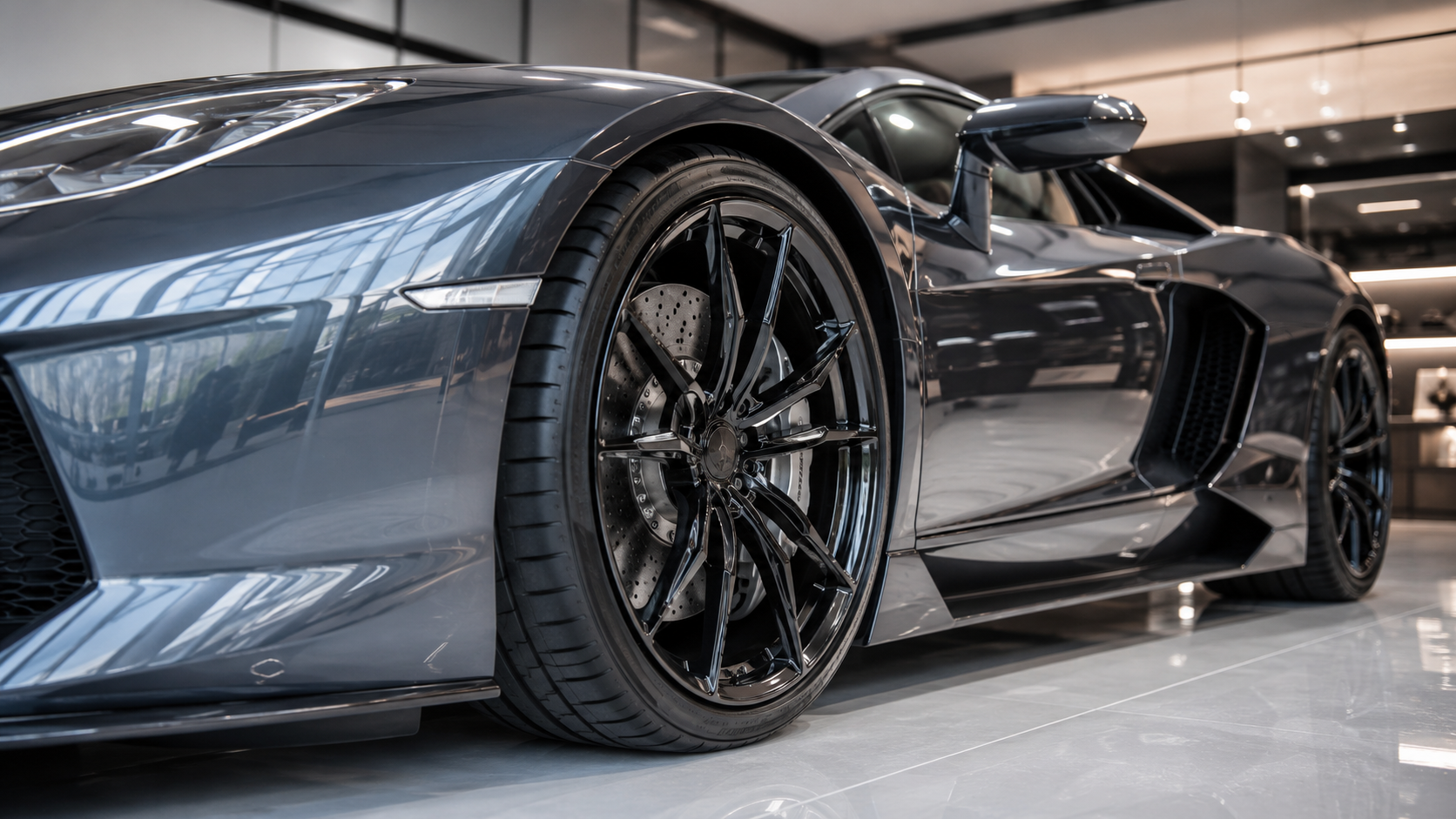
Luxury and exotic vehicles are engineered for exceptional performance, but their specialized tires and wheels can also be costly to repair or replace. Large-diameter wheels, low-profile tires, performance compounds, and premium finishes may be especially vulnerable to potholes, road debris, and other unexpected hazards encountered during everyday driving.
A factory warranty may cover certain defects in materials or workmanship, but it generally does not protect against damage caused by common road hazards. This can leave owners responsible for expenses associated with a bent wheel, cracked rim, punctured tire, or sudden blowout.
Tire and wheel protection can help reduce the financial impact of qualifying damage while providing greater confidence behind the wheel. In this guide, we’ll explain how tire and wheel protection works, what it may cover, how it differs from factory coverage, and whether it may be worthwhile for your luxury or exotic vehicle.
What Is Tire and Wheel Protection?
Tire and wheel protection is an optional vehicle protection product designed to help cover certain repair or replacement costs when tires or wheels are damaged by eligible road hazards. These hazards may include potholes, nails, broken glass, debris, and other unexpected conditions that can affect even careful drivers.
For owners of luxury and exotic vehicles, this type of protection can be especially valuable because performance tires, low-profile sidewalls, lightweight alloy wheels, and specialty finishes often cost significantly more than standard replacements. Rather than relying only on a factory warranty, tire and wheel protection can provide an added layer of financial protection for damage that may occur during everyday driving.
What May Tire and Wheel Protection Cover?
Coverage varies by provider and plan, but tire and wheel protection may include:
- Repair or replacement of tires damaged by covered road hazards
- Repair or replacement of bent or cracked wheels
- Mounting and balancing services
- Valve stem replacement
- Certain taxes or labor charges related to a covered repair
- Towing or roadside assistance benefits when included in the plan
Important Coverage Limitations to Review
Not every type of tire or wheel damage is automatically covered. Normal tread wear, cosmetic damage, neglected maintenance, racing-related damage, and pre-existing conditions may be excluded depending on the contract. Owners should carefully review the coverage limits, deductible requirements, approved repair procedures, and exclusions before selecting a protection plan.
For luxury and exotic vehicles, understanding these details is especially important because tire and wheel specifications can vary significantly by model. The right tire and wheel protection plan can help owners avoid unexpected out-of-pocket costs while maintaining the performance and appearance of their vehicle.
Why Luxury and Exotic Vehicles Face Higher Tire and Wheel Costs
Luxury and exotic vehicles are often equipped with performance-focused tires and wheels that are engineered for handling, speed, and appearance. While these components enhance the driving experience, they can also be more vulnerable to damage and significantly more expensive to repair or replace than standard vehicle components.
Large-diameter wheels, low-profile tires, specialty compounds, and lightweight materials may provide better performance, but they leave less room for impact absorption when a vehicle encounters potholes, debris, or uneven road surfaces.
Factors That Increase Replacement Costs
Several features commonly found on luxury and exotic vehicles can contribute to higher tire and wheel expenses:
- Large-diameter factory wheels
- Low-profile performance tires
- Lightweight alloy or forged wheels
- Specialty tire sizes with limited availability
- Run-flat or high-performance tire construction
- Custom finishes and premium wheel designs
- Vehicle-specific mounting and balancing requirements
Why Even Minor Road Damage Can Become Expensive
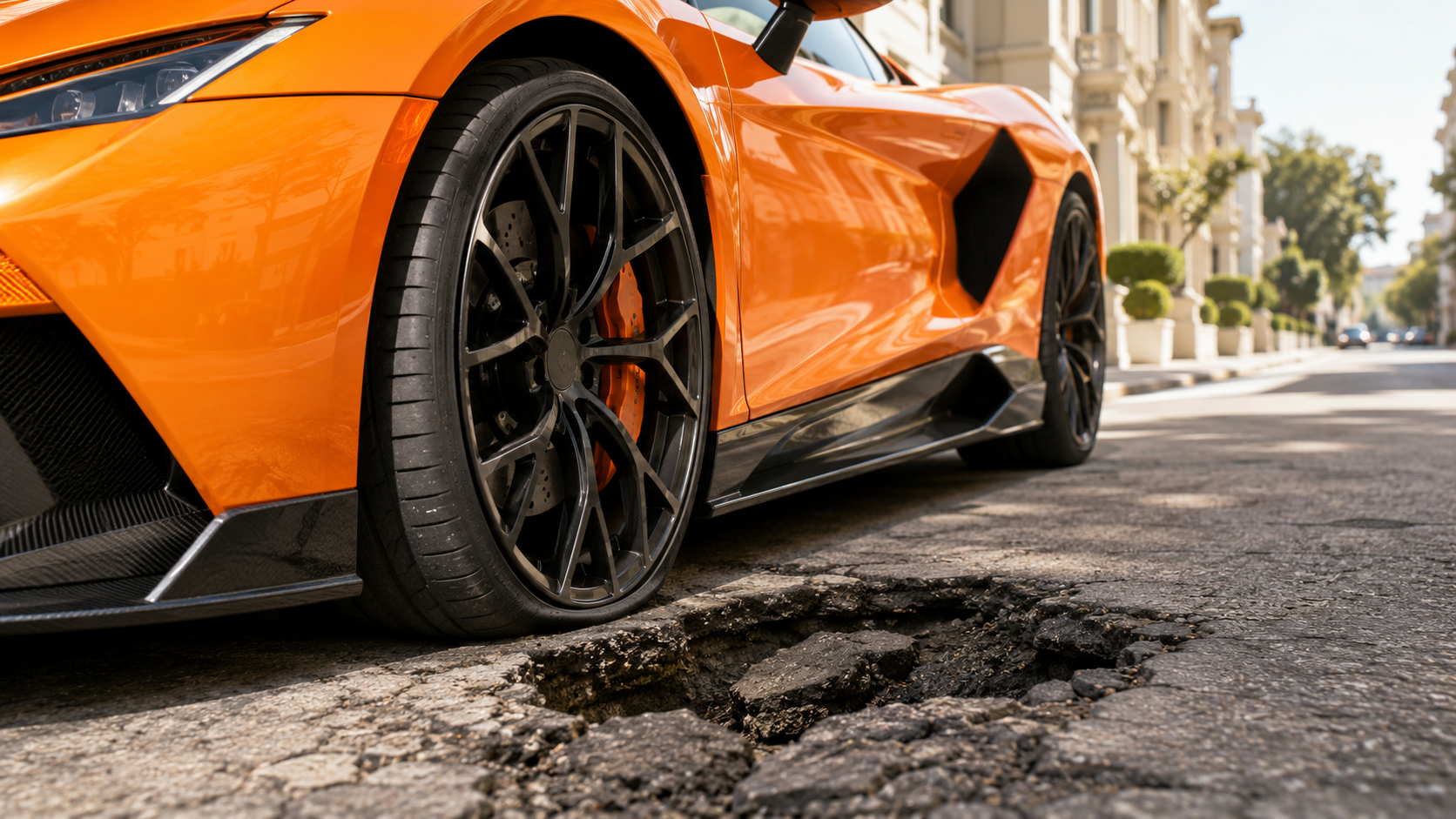
A pothole that causes limited damage to a standard vehicle may result in a bent wheel, cracked rim, damaged sidewall, or alignment issue on a luxury or exotic car. In some cases, the affected tire cannot be safely repaired and must be replaced entirely. If the matching tire or wheel is difficult to source, the repair can become even more costly and time-consuming.
For owners who drive regularly, tire and wheel protection can help reduce the financial impact of qualifying road-hazard damage and make these unexpected expenses easier to manage.
Does a Factory Warranty Cover Tire and Wheel Damage?
A factory warranty is primarily designed to cover defects in materials or workmanship. It may provide protection when a tire or wheel fails because of a manufacturing issue, but it generally does not cover damage caused by potholes, nails, road debris, curbs, or other everyday driving hazards.
For owners of luxury and exotic vehicles, this distinction matters because some of the most common tire and wheel problems are caused by road conditions rather than manufacturer defects. Without separate protection, the cost of repairing or replacing a damaged performance tire or premium wheel may fall entirely on the vehicle owner.
Factory Warranty vs Tire and Wheel Protection
| Factory Warranty | Tire and Wheel Protection |
|---|---|
| Covers qualifying manufacturing defects | Covers certain eligible road-hazard damage |
| Included with a new vehicle | Usually purchased as an optional protection plan |
| Limited by the manufacturer’s terms | Coverage depends on the selected contract |
| Typically does not cover potholes or road debris | May cover damage caused by potholes, nails, or debris |
| May cover defective tires or wheels | May help pay for repair or replacement after covered damage |
| Ends after a set time or mileage | May provide coverage beyond the factory warranty period |
Why Separate Protection May Be Worth Considering
Because a factory warranty and tire and wheel protection are designed for different types of problems, one does not necessarily replace the other. A factory warranty helps protect against defects, while tire and wheel protection may provide added coverage for the unexpected road hazards that luxury and exotic vehicle owners encounter during normal driving.
When Is Tire and Wheel Protection Worth It?
Tire and wheel protection may be especially worthwhile for owners of luxury and exotic vehicles that are equipped with expensive performance tires, low-profile sidewalls, or specialized wheels. The value of the coverage often depends on where the vehicle is driven, how frequently it is used, and how costly the tires and wheels would be to repair or replace out of pocket.
Because road hazards can be unpredictable, this type of protection can offer added peace of mind for drivers who want to avoid absorbing the full cost of unexpected damage.
Tire and Wheel Protection May Be a Good Fit If You:
- Regularly drive on roads with potholes, construction, or debris
- Own a luxury or exotic vehicle with low-profile performance tires
- Have large-diameter, forged, or specialty wheels
- Drive the vehicle frequently rather than storing it most of the year
- Want help managing unexpected repair or replacement costs
- Prefer more predictable vehicle ownership expenses
Consider the Cost of One Unexpected Repair
Even a single damaged wheel or performance tire can result in a substantial expense, especially when specialty parts are difficult to source or must be replaced rather than repaired. Comparing the cost of coverage with the potential cost of one qualifying repair can help owners decide whether a protection plan makes sense for their vehicle and driving habits.
For drivers who want added protection against common road hazards, a tire and wheel protection plan can provide valuable support while helping preserve the performance and appearance of a luxury or exotic vehicle.
What Should You Look for in a Tire and Wheel Protection Plan?
Not every tire and wheel protection plan offers the same level of coverage. Before choosing a plan for a luxury or exotic vehicle, it is important to understand exactly what is included, what is excluded, and how claims are handled. Reviewing these details ahead of time can help prevent surprises when you need to use the coverage.
The best plan should match your vehicle’s tire and wheel specifications, your driving habits, and the types of road hazards you are most likely to encounter.
Questions to Ask Before Selecting Coverage
- Does the plan cover both tire repair and replacement?
- Are bent or cracked wheels included?
- Is cosmetic wheel damage covered?
- Are mounting, balancing, labor, and taxes included?
- Is there a deductible for each claim?
- Are there limits on the number or value of claims?
- Can repairs be completed at authorized luxury or exotic vehicle service facilities?
- Are towing or roadside assistance benefits included?
- What damage or conditions are excluded?
Review the Fine Print Before You Enroll
Coverage terms can vary significantly between providers, especially when it comes to cosmetic damage, replacement limits, approved repair facilities, and pre-existing conditions. Taking the time to review the contract can help ensure the plan provides meaningful protection for your specific vehicle.
A well-structured tire and wheel protection plan should give luxury and exotic vehicle owners a clear understanding of how coverage works and what to expect if road-hazard damage occurs.
How Does Tire and Wheel Protection Work?
Tire and wheel protection is typically used when a covered road hazard causes damage that requires repair or replacement. Once the damage occurs, the vehicle owner or repair facility generally contacts the protection provider, confirms eligibility, and follows the claims process outlined in the contract.
For luxury and exotic vehicles, it is especially important to use a qualified repair facility that understands performance tires, specialty wheels, advanced balancing requirements, and manufacturer specifications.
What to Expect After Tire or Wheel Damage
The process may include:
- Having the damaged tire or wheel inspected
- Confirming that the damage was caused by an eligible road hazard
- Contacting the protection provider before repairs begin
- Receiving authorization for a covered repair or replacement
- Completing the work at an approved or qualified facility
- Paying any applicable deductible or uncovered charges
Keep Your Coverage Information Accessible
Owners should keep a copy of the protection agreement available and review the claims instructions before an issue occurs. Starting repairs without authorization, discarding a damaged tire, or visiting an unapproved facility could affect coverage depending on the contract.
Understanding the process ahead of time can make an unexpected road-hazard incident easier to manage. A dependable tire and wheel protection plan can help luxury and exotic vehicle owners move from damage to repair with less uncertainty and fewer surprise expenses.
Frequently Asked Questions About Tire and Wheel Protection
Choosing the right coverage for a luxury or exotic vehicle often comes with questions, especially when it comes to road-hazard damage, replacement costs, and what a protection plan may actually include. Below are answers to some of the most common questions drivers ask before selecting tire and wheel protection.
Does Tire and Wheel Protection Cover Pothole Damage?
Many plans may cover eligible damage caused by potholes, including punctured tires, bent wheels, or cracked rims. Coverage depends on the terms of the contract, so vehicle owners should confirm what qualifies as a covered road hazard.
Does Tire and Wheel Protection Cover Curb Rash?
Cosmetic wheel damage, including curb rash, is not always included in standard coverage. Some plans may offer separate cosmetic wheel protection, while others focus only on damage that affects the wheel’s ability to function safely.
Are Low-Profile Tires Covered?
Low-profile tires may be eligible for coverage if they are damaged by a covered road hazard and meet the plan’s requirements. This can be especially beneficial for luxury and exotic vehicles because low-profile performance tires are often more vulnerable to pothole and impact damage.
Does a Factory Warranty Cover Damaged Tires and Wheels?
A factory warranty generally covers defects in materials or workmanship, not damage caused by potholes, nails, debris, or other road hazards. Separate tire and wheel protection may help cover qualifying damage that falls outside the manufacturer’s warranty.
Can Tire and Wheel Protection Pay for Replacement?
Depending on the plan and the extent of the damage, coverage may include the repair or replacement of an eligible tire or wheel. Authorization may be required before work begins, and certain limits, deductibles, or exclusions may apply.
Is Tire and Wheel Protection Worth It for an Exotic Car?
It can be worthwhile for owners whose vehicles have expensive performance tires, forged wheels, limited-production parts, or low-profile sidewalls. For many luxury and exotic vehicle owners, the potential cost of one covered repair may make added protection worth considering.
Protect Your Luxury or Exotic Vehicle from Unexpected Road Hazards
Luxury and exotic vehicles are built to deliver an exceptional driving experience, but their specialized tires and wheels can make even minor road damage expensive to address. Potholes, nails, debris, and uneven pavement can lead to repairs or replacements that are not typically covered by a factory warranty.
Choosing the right tire and wheel protection plan can help reduce the financial impact of qualifying damage while giving you greater confidence every time you drive. By understanding the coverage terms, exclusions, claims process, and repair options, you can select protection that fits your vehicle and ownership needs.
Explore our tire and wheel protection plans to learn more about available coverage. For personalized guidance based on your luxury or exotic vehicle, contact our team to request a quote and discuss your options.
Recent Posts