

Electric Vehicle Service Contracts: What Do They Cover?
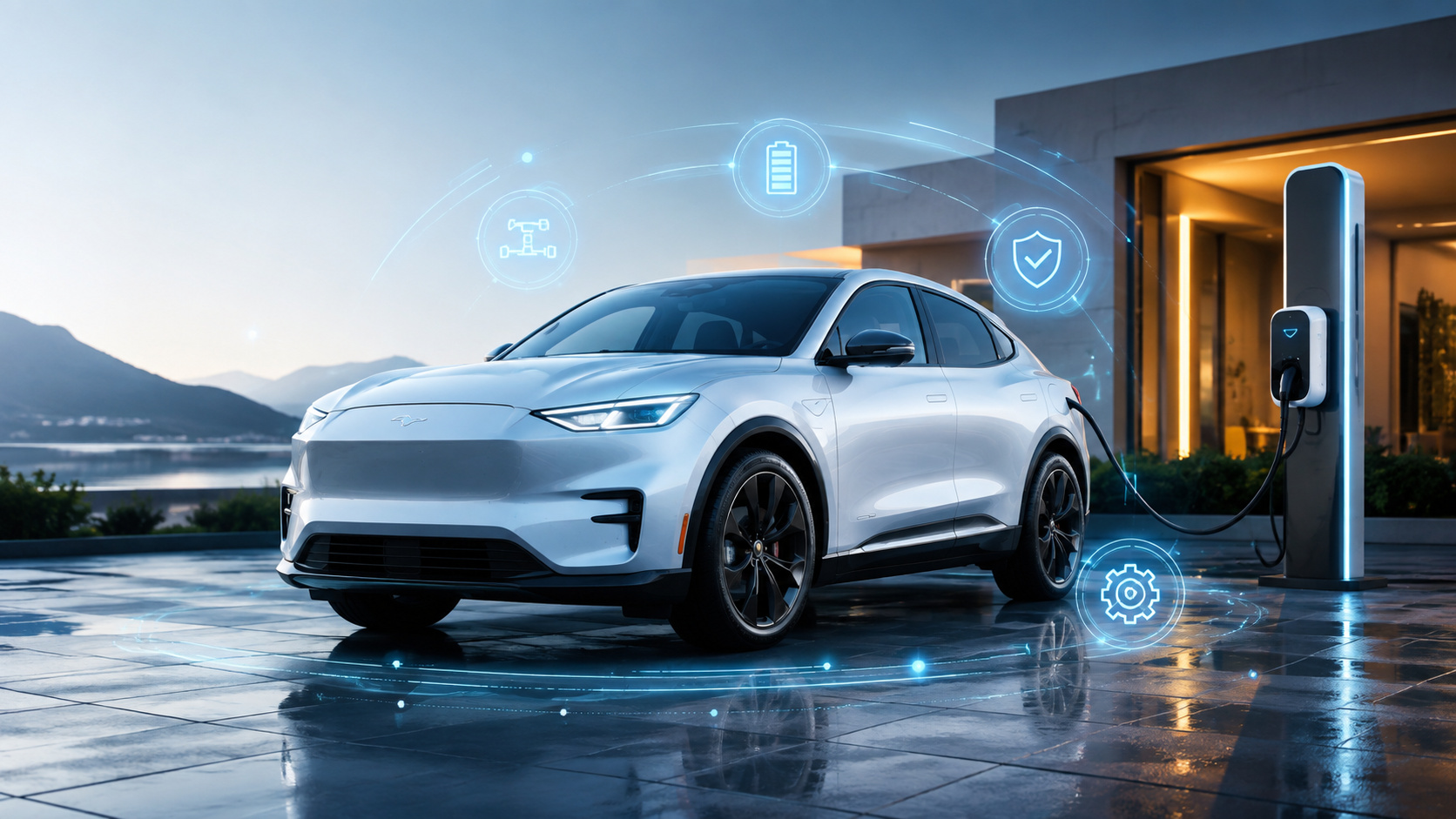
Electric vehicles are engineered differently from traditional gas-powered vehicles, with high-voltage electrical systems, advanced electronics, electric drive components, and sophisticated onboard technology playing a much larger role in everyday performance. While new EVs typically include manufacturer warranty coverage, that protection is limited by specific time, mileage, and component terms.
Once factory coverage begins to expire, an electric vehicle service contract can provide additional protection for certain qualifying mechanical and electrical repairs. Depending on the plan, coverage may extend to components that are especially important to EV ownership, helping drivers better manage unexpected repair expenses as their vehicles age.
In this guide, we’ll explain what electric vehicle service contracts may cover, how they differ from manufacturer warranties, which components may require additional protection, and what EV owners should consider when choosing coverage for long-term ownership.
What Is an Electric Vehicle Service Contract?
An electric vehicle service contract is an optional protection plan designed to help cover certain qualifying repair costs after the manufacturer’s warranty expires. While EVs have fewer traditional engine components than gas-powered vehicles, they still rely on complex electrical systems, advanced electronics, cooling systems, sensors, and drivetrain technology that can become expensive to repair as the vehicle ages.
For EV owners, extended protection can help provide more predictable ownership costs and added confidence once factory coverage begins to end. Coverage varies by provider and plan, so it is important to understand exactly which electric vehicle components are eligible before purchasing protection.
Components an EV Service Contract May Cover
Depending on the plan, coverage may include:
- Electric drive motor components
- Power electronics and control modules
- High-voltage electrical systems
- Cooling and thermal management systems
- Steering and suspension components
- Air conditioning systems
- Infotainment and onboard electronics
- Sensors and advanced driver-assistance components
- Certain charging-related components, when included in the contract
Why Coverage Varies Between Plans
Electric vehicles use different battery systems, charging technology, drivetrain designs, and electronic architecture depending on the manufacturer and model. Because of those differences, eligibility and covered components can vary significantly from one service contract to another.
A well-matched electric vehicle protection plan should reflect the specific EV, its age, mileage, technology, and long-term ownership needs.
How Electric Vehicle Service Contracts Differ from Factory Warranties
Factory warranties and electric vehicle service contracts are designed to serve different stages of EV ownership. A manufacturer warranty is included with a new vehicle and typically covers qualifying defects for a set period of time or mileage, while a service contract can provide additional protection after some or all factory coverage expires.
For EV owners, the distinction is especially important because different components may have different warranty periods. High-voltage battery coverage, for example, may follow separate terms from electronics, suspension, climate-control systems, or other vehicle components.
Key Differences to Understand
A factory warranty typically:
- Comes with the purchase of a new electric vehicle
- Covers qualifying defects in materials or workmanship
- Follows manufacturer-specific time and mileage limits
- May include separate terms for the high-voltage battery
- Ends according to the manufacturer’s warranty schedule
An electric vehicle service contract may:
- Provide additional protection after factory coverage expires
- Cover certain qualifying mechanical and electrical components
- Offer different term lengths and deductible options
- Extend protection for eligible systems beyond the original warranty period
- Help reduce unexpected out-of-pocket repair expenses
Why the Transition After Factory Coverage Matters
As an electric vehicle ages, owners may still have years of driving ahead even after portions of the original warranty have ended. Understanding what remains covered and where gaps may exist can help drivers decide whether additional protection makes sense.
An electric vehicle service contract can help provide continued protection for eligible systems while giving EV owners more confidence about long-term repair costs.
What Components May Be Covered by an Electric Vehicle Service Contract?
Electric vehicles rely on a different mix of systems than traditional gas-powered vehicles, so coverage often focuses heavily on electronics, drivetrain components, thermal management, and other technology that supports EV performance. The exact components included will depend on the provider, vehicle, and protection plan selected.
Because EV technology varies significantly by manufacturer and model, owners should review the contract carefully rather than assume every electrical or battery-related component is automatically covered.
Common Components That May Be Eligible
Depending on the plan, coverage may include:
- Electric drive motor components
- Power inverter and control modules
- Onboard charging equipment
- High-voltage electrical components
- Cooling and thermal management systems
- Climate-control systems
- Steering and suspension components
- Infotainment and navigation systems
- Sensors and electronic control units
- Certain advanced driver-assistance components
What About the High-Voltage Battery?
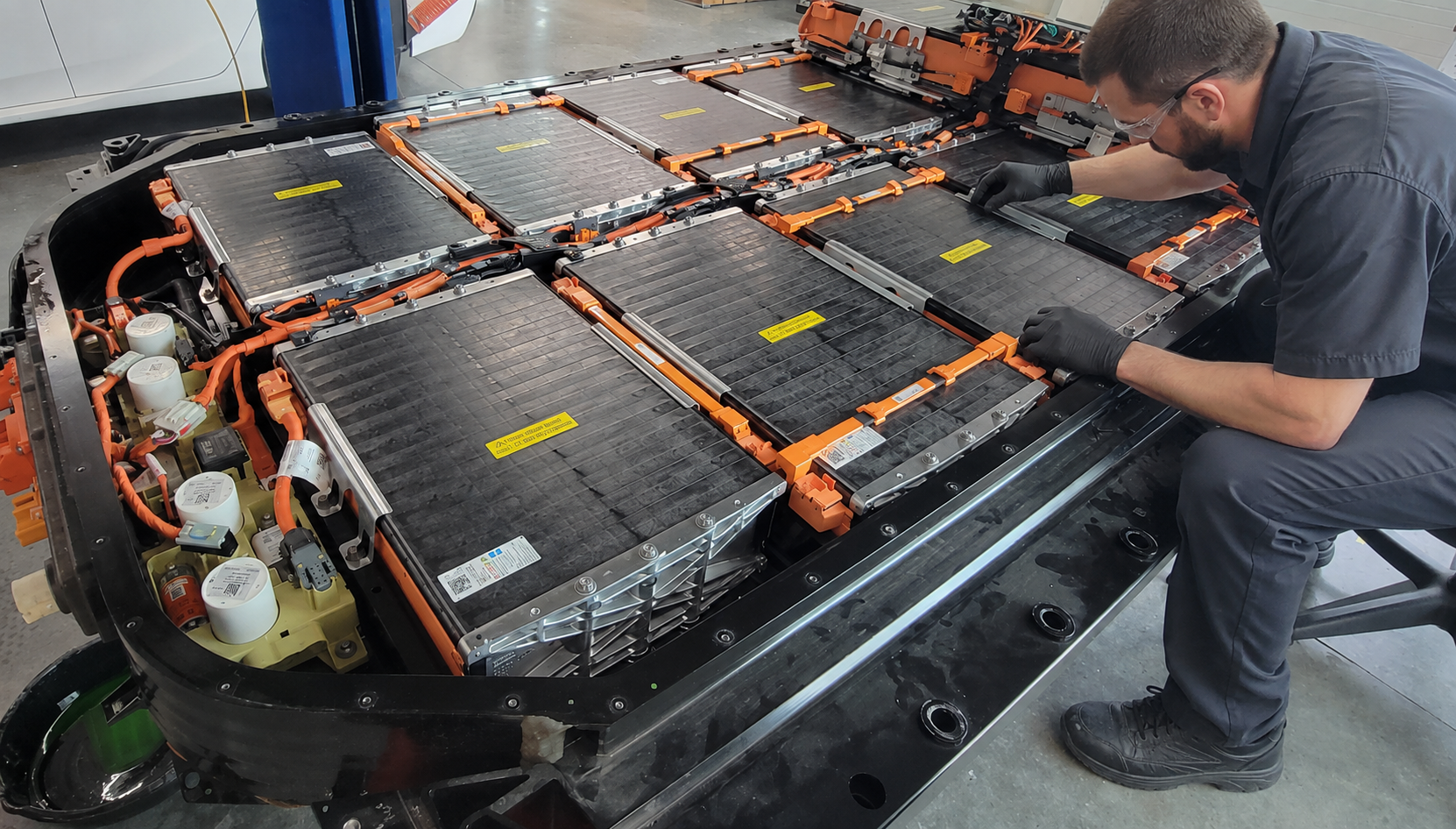
Battery coverage deserves special attention because many manufacturers provide separate factory warranty terms for the high-voltage battery. An electric vehicle service contract may not automatically extend or duplicate that battery coverage, and eligibility can vary considerably between plans.
EV owners should confirm exactly how the battery, charging system, electric drivetrain, and related components are treated before selecting an electric vehicle protection plan.
Why Electric Vehicle Repairs Can Still Be Expensive
Electric vehicles have fewer traditional moving parts than gas-powered vehicles, but that does not necessarily mean every repair is inexpensive. EVs rely heavily on advanced electronics, specialized cooling systems, high-voltage components, sensors, and manufacturer-specific technology that may require specialized diagnostic equipment and trained technicians.
For owners of luxury, performance, and premium electric vehicles, repair costs can become even more significant due to sophisticated software, advanced driver-assistance systems, complex infotainment technology, and specialized replacement parts.
Factors That Can Increase EV Repair Costs
Several factors may contribute to higher repair expenses, including:
- Specialized high-voltage components
- Advanced electronic control modules
- Complex thermal management systems
- Manufacturer-specific diagnostic equipment
- Specialized technician training
- Premium sensors and driver-assistance technology
- Limited availability of certain replacement parts
- Higher costs associated with luxury and performance EV components
Why Extended Protection May Be Worth Considering
As factory coverage expires, owners may become responsible for repairs involving many of these advanced systems. Even when the high-voltage battery remains under a separate manufacturer warranty, other electrical, mechanical, and technology-related components may no longer have the same protection.
An electric vehicle service contract can help reduce the financial impact of qualifying repairs while giving owners greater confidence as their EV ages.
When Is an Electric Vehicle Service Contract Worth It?
An electric vehicle service contract may be worth considering for drivers who plan to keep their EV beyond the manufacturer’s original warranty period or who want added protection against unexpected repair costs as the vehicle ages. The value of the coverage depends on the specific EV, how long you plan to own it, how much you drive, and which components remain protected under the factory warranty.
For luxury, performance, and premium electric vehicles, extended protection can be especially valuable because advanced electronics, specialized components, and manufacturer-specific technology may lead to higher repair costs once factory coverage begins to expire.
An EV Service Contract May Be a Good Fit If You:
- Plan to keep your electric vehicle for several years
- Expect to drive beyond the original factory warranty period
- Want help managing unexpected repair expenses
- Own a luxury, performance, or premium EV
- Prefer more predictable long-term ownership costs
- Want protection for eligible electrical, mechanical, or technology-related components
- Value added peace of mind as the vehicle ages
Review the Coverage Before You Buy
Not every electric vehicle service contract provides the same protection. Before choosing a plan, review the covered components, exclusions, deductible options, eligibility requirements, claims process, and how the contract treats high-voltage battery systems and charging-related components.
A carefully selected electric vehicle protection plan can help drivers balance long-term ownership confidence with the realities of maintaining advanced EV technology.
What Should You Look for in an Electric Vehicle Service Contract?
Choosing the right electric vehicle service contract requires more than simply finding extended coverage. EV owners should compare how each plan treats high-voltage components, charging systems, electronics, diagnostics, and other technology that may be expensive to repair as the vehicle ages.
The best coverage should align with the specific electric vehicle, its mileage, factory warranty status, and how long the owner plans to keep it.
Questions to Ask Before Choosing EV Coverage
Before selecting a plan, consider asking:
- Which electric drivetrain components are covered?
- Are high-voltage electrical systems included?
- How are battery-related components treated?
- Are onboard charging components eligible?
- Does the plan cover infotainment and electronic control modules?
- Are advanced driver-assistance systems included?
- What deductible options are available?
- Are there mileage or age restrictions?
- Which repair facilities can perform covered work?
- What exclusions or maintenance requirements apply?
Compare More Than the Coverage List
A long list of covered components does not automatically make one plan better than another. Owners should also consider the claims process, repair authorization requirements, provider support, contract limits, and whether the coverage is appropriate for their specific EV.
A dependable electric vehicle protection plan should clearly explain what is covered, what is excluded, and what to expect if a qualifying repair is needed.
Frequently Asked Questions About Electric Vehicle Service Contracts
Electric vehicle service contracts can be a valuable option for drivers who want additional protection after factory coverage begins to expire, but EV technology can make coverage details more complex than those of traditional vehicles. Below are answers to some of the most common questions EV owners ask when comparing protection options.
Do electric vehicle service contracts cover the battery?
Not always. High-voltage battery coverage is often handled separately under the manufacturer’s factory warranty, and an electric vehicle service contract may not automatically extend that protection. Owners should review the contract carefully to understand how battery-related components are treated.
Do EV service contracts cover charging components?
Some plans may cover eligible onboard charging components, control modules, or related electrical systems, but coverage varies by provider and vehicle. Home charging equipment is generally separate from the vehicle itself and may not be included.
Are electric vehicle service contracts only for older EVs?
No. Some drivers choose coverage before the factory warranty expires to help reduce gaps in protection later. Eligibility often depends on the vehicle’s age, mileage, condition, and the provider’s requirements.
Can luxury and performance EVs qualify for coverage?
Many luxury and performance electric vehicles may qualify for protection, depending on the specific vehicle and plan. Because these models often feature advanced electronics, high-performance systems, and specialized components, additional coverage may be especially valuable.
How is an EV service contract different from roadside assistance?
An electric vehicle service contract focuses on qualifying repair costs for covered components, while roadside assistance provides help during situations such as towing needs, lockouts, flat tires, or other roadside emergencies.
Is an electric vehicle service contract worth it?
It can be worthwhile for owners who plan to keep their EV long term, want more predictable repair costs, or drive a vehicle with expensive technology and specialized components. The value depends on the coverage terms, vehicle, and ownership plans.
Protect Your Electric Vehicle Beyond the Factory Warranty
Electric vehicles are built with advanced technology that can deliver a smooth, efficient ownership experience, but that same technology can also make certain repairs more complex and costly once factory coverage begins to expire. Understanding what your manufacturer warranty includes and where additional protection may be helpful can make long-term EV ownership easier to manage.
Whether you drive an everyday electric vehicle or a luxury or performance EV, the right electric vehicle protection plan can help reduce the financial impact of qualifying repairs while providing added confidence as your vehicle ages.
Learn more about electric vehicle coverage to explore how added protection may support your long-term ownership goals. If you have questions about eligibility, available coverage, or which options may fit your vehicle, contact our team for personalized guidance.
About Pneumas
Pneumas provides automotive protection solutions for dealerships and vehicle owners across the United States, including Vehicle Service Contracts, Tire & Wheel Protection, GAP Coverage, Appearance Protection, Dent & Ding Protection, Windshield Protection, Key Replacement Protection, Roadside Assistance, and F&I Training & Compliance. Our goal is to help protect vehicles from unexpected repair costs and everyday ownership risks while supporting dealerships with flexible protection programs and F&I solutions; explore our Automotive Protection Products or contact our team to learn more.
Recent Posts